
What Can You Make with a Dough Hook?
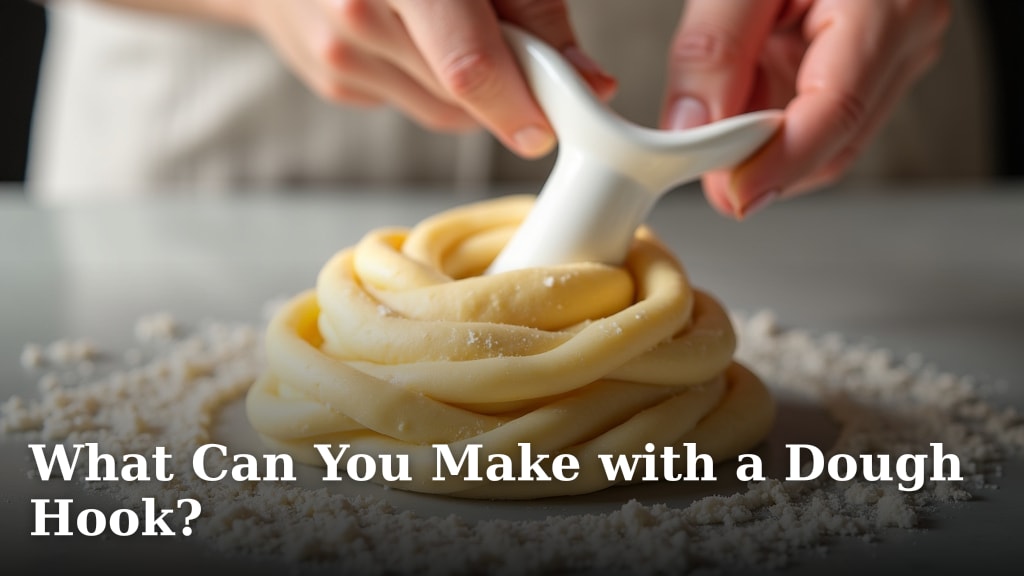
Yes, you can make a lot of delicious things with a dough hook! This handy attachment is designed to handle tougher doughs, so think breads, pastas, and even some cookies. It really takes the heavy lifting out of kneading for you.
Beyond the obvious bread recipes, the dough hook is a true kitchen workhorse. It excels at developing gluten, which is key for achieving that perfect chewy texture in many baked goods. You might be surprised by how many recipes benefit from its powerful mixing action, from pizza dough to even some homemade noodles.
- The dough hook is your best friend for breads, bagels, and pizza dough.
- It makes quick work of pasta dough and thicker cookie batters.
- It’s also great for developing gluten, which means better texture in your baked goods.
- Basically, if you need to knead, this is the tool for the job!
Let’s get into the amazing doughs and batters your stand mixer’s dough hook can help you create, from start to yummy finish!
Baking and Beyond: What Your Dough Hook Excels At
So, you’ve got that sturdy, C-shaped or spiral attachment for your stand mixer. That’s your dough hook! Its primary job is to tackle those tougher, sticky doughs that would exhaust your arms (and your mixer’s motor if you tried to knead them by hand). It mimics the push, fold, and turn motion of hand kneading, but with much more power and consistency. This means you can achieve that beautifully developed gluten structure needed for many baked goods without breaking a sweat.
It’s your secret weapon for recipes that require serious kneading. We’re talking about anything with yeast that needs to rise and develop that signature chewy texture. Think about the sheer joy of pulling a perfect loaf of bread from your oven. Your dough hook makes that a whole lot more achievable for home bakers.
The King of Breads: Yeasted Doughs
When you think of a dough hook, bread is probably the first thing that comes to mind. And you’re absolutely right! This attachment is perfectly designed for creating all sorts of yeasted doughs. It efficiently works the ingredients together, developing the gluten network that gives bread its structure and texture.
Classic White and Whole Wheat Loaves
Making a simple loaf of sandwich bread at home is incredibly rewarding. Your dough hook will bring your flour, water, yeast, and salt together into a shaggy mass, then knead it until it’s smooth and elastic. This typically takes about 8-10 minutes on a medium speed. You’ll see the dough start to pull away from the sides of the bowl and form a cohesive ball. This is a sign your gluten is well-developed, which is key for a This is a sign your gluten is well-developed, which is key for a light and airy crumb; find the best stand mixer for home bakers.light and airy crumb.
Hearty Whole Grains and Artisan Breads
Don’t shy away from whole wheat or rye breads. While they can be a bit denser, your dough hook handles them like a champ. You might need to adjust the mixing time slightly. Doughs with a higher percentage of whole grains can sometimes feel a bit stickier. Just let your mixer do the work until the dough looks and feels right.
Bagels and Doughnuts: That Perfect Chew
Ever wonder how bagels get that wonderfully dense yet chewy texture? It’s all about proper gluten development, and that’s where your dough hook shines. The vigorous kneading helps create a strong gluten structure. Similarly, for doughnuts, the dough hook ensures a tender dough that fries up beautifully golden and delicious. Many recipes suggest a slightly longer kneading time for these treats to achieve that ideal chew.
Pizza Dough: The Foundation of Great Pizza
Homemade pizza night just got a whole lot easier. A good pizza dough needs to be elastic and easy to stretch without tearing. Your dough hook will get it to that perfect consistency. You want a dough that’s smooth, pliable, and has just the right amount of chew. It handles the hydration levels common in pizza doughs wonderfully, bringing it together into a ball that’s ready for topping and baking.
Beyond Bread: Other Doughs and Batters
While bread is the star, your dough hook isn’t limited to just loaves. It’s a versatile tool that can assist with several other tasks in the kitchen. Think of it as your go-to for any recipe that calls for significant mixing or kneading of thicker batters.
Pasta Dough: Homemade Noodles Simplified
Making fresh pasta from scratch used to involve a lot of elbow grease. Now, your stand mixer with the dough hook can do the heavy lifting. It effectively brings together flour and eggs (or water) into a firm, pliable dough. You’ll want to mix until it just comes together, then perhaps give it a brief hand knead to ensure it’s perfectly smooth. This makes creating fettuccine, ravioli, or even lasagna sheets a much more approachable task for home cooks.
Thicker Cookie Doughs: Less Mess, More Mix
Some cookie recipes, especially those for drop cookies like chocolate chip or oatmeal cookies, can have quite stiff doughs. If you’ve ever tried mixing these by hand, you know it can be a workout. Your dough hook can handle these thicker batters with ease. It ensures all the ingredients are thoroughly combined, creating a uniform dough ready for portioning. Just be careful not to overmix, as this can lead to tough cookies.
Pretzels: Soft and Chewy Delights
Just like bagels, soft pretzels rely on a well-developed gluten structure for their characteristic chewiness. Your dough hook is perfect for creating the stiff, elastic dough needed for these twisted treats. It ensures even hydration and gluten formation, setting you up for perfectly boiled and baked pretzels. It’s a real time-saver for this often labor-intensive dough.
Scones and Biscuits: Achieving the Right Texture
While many scone and biscuit recipes call for a pastry blender or just your hands to avoid overworking the dough, there are instances where a dough hook can be useful, especially in larger batches or if your dough is a bit too dry. The key here is very brief mixing. You want to incorporate the fat without fully developing the gluten, which is what creates tenderness. Use the dough hook on a very low speed for just a few pulses to combine.
When to Use Your Dough Hook (And When Not To!)
Knowing when to deploy your dough hook is key to getting the best results. It’s a powerful tool, and like any powerful tool, it’s best used for its intended purpose.
Use it for:
- Any recipe that explicitly calls for kneading.
- Doughs that are sticky or tough to mix by hand.
- Recipes where developing a strong gluten network is essential for texture.
- Larger batches of dough where hand kneading would be impractical.
Consider a different attachment (or hand mixing) for:
- Very wet batters (like cake or pancake batter) – the whisk attachment is better.
- Crumbly doughs that don’t require much gluten development (like pie crusts) – often hand-mixing or a paddle attachment is preferred.
- Recipes where you want to avoid gluten development, like some delicate pastries.
For instance, we found that when making quick breads or muffins, using the paddle attachment or even just mixing by hand with a spatula prevents overmixing and ensures a tender crumb (The Kitchn). The dough hook, in contrast, is all about gluten, so it’s not the right choice for those recipes.
| Task | Best Attachment | Why |
|---|---|---|
| Kneading Bread Dough | Dough Hook | Develops gluten efficiently, mimics hand kneading power. |
| Mixing Cake Batter | Whisk or Paddle | Incorporates air or mixes evenly without overdeveloping gluten. |
| Making Cookie Dough | Paddle or Dough Hook (for stiff doughs) | Paddle for general mixing; Dough Hook for very thick, stiff doughs. |
| Whipping Cream/Egg Whites | Whisk | Incorporates maximum air for light, fluffy textures. |
| Mashing Potatoes | Paddle | Smooths ingredients without making them gummy. |
Tips for Success with Your Dough Hook
To get the most out of your dough hook, a few tips can make a big difference. Always start your mixer on a low speed when first combining ingredients. This prevents flour from flying everywhere. Gradually increase the speed to medium as the dough comes together.
Pay attention to the dough’s consistency. Recipes provide guidelines, but humidity and flour type can affect how much liquid is needed. Your dough should look smooth and elastic, pulling away from the sides of the bowl. You can also do the “windowpane test”: gently stretch a small piece of dough. If you can stretch it thin enough to see light through it without tearing, the gluten is well-developed.
Don’t be afraid to stop the mixer periodically to scrape down the sides of the bowl with a spatula. This ensures all the ingredients are incorporated evenly. Many experts suggest that for most yeasted doughs, 8-10 minutes of mixing is sufficient on a medium speed.
A Checklist for Your Next Dough Hook Adventure
Ready to put your dough hook to work? Here’s a quick checklist to keep in mind:
- Read your recipe thoroughly before starting.
- Ensure your dough hook is securely attached to your mixer.
- Start mixing on low speed to avoid a mess.
- Gradually increase speed to medium for kneading.
- Scrape down the bowl occasionally for even mixing.
- Check dough consistency and perform the windowpane test if needed.
Conclusion
You’ve seen how your dough hook is far more than just a bread maker. It’s your kitchen’s champion for tackling any dough that needs serious kneading. From those perfect pizza crusts to homemade pasta and even thick cookie batters, this attachment saves your arms and delivers consistent results. You can achieve fantastic textures in your baking by letting it do the hard work.
So, go ahead and get creative! Your next baking adventure awaits, and your dough hook is ready to help you create something delicious.
Frequently Asked Questions
Can I use the dough hook for cake batter?
Generally, no. Cake batter is much lighter and requires aeration, which the whisk attachment is designed for. Using the dough hook can overdevelop gluten, leading to tough cakes. While the dough hook is great for kneading, learn if you can use a stand mixer to mix cake batter instead.
How long should I knead dough with the dough hook?
For most yeasted breads, aim for 8-10 minutes on a medium speed. Always watch your dough – it should become smooth, elastic, and pull away from the sides of the bowl.
Is my dough hook dishwasher safe?
Most dough hooks are made of metal and are safe to put in the dishwasher. However, it’s always best to check your stand mixer’s manual to be sure.
My dough seems too sticky even after kneading. What should I do?
A slightly sticky dough is okay, especially for wetter recipes like pizza dough. If it’s unmanageable, try adding flour just a tablespoon at a time until it pulls away from the bowl, but be careful not to add too much.
Can the dough hook help with gluten-free baking?
The dough hook isn’t typically used for gluten-free baking, as these recipes often don’t require gluten development. Instead, you’ll usually use the paddle attachment or mix by hand to combine ingredients without developing gluten.
