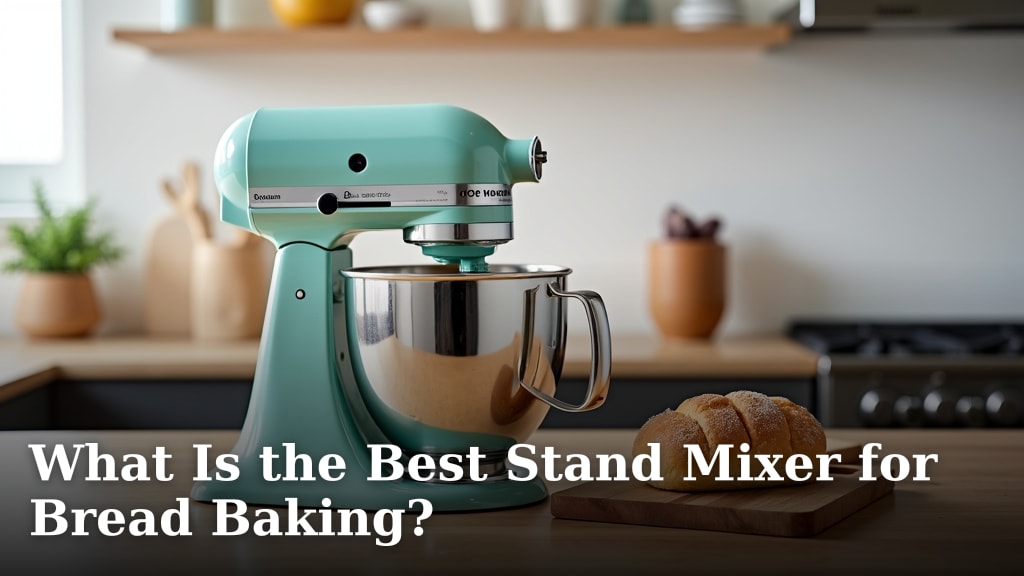
Why Use a Bowl Lift Mixer for Bread Making?
A bowl lift mixer can suit frequent bread making because the bowl locks into a raised position beneath a fixed mixer head, giving the dough hook a stable mixing setup. Check the mixer’s capacity, instructions, and the dough amount you make before choosing one.
On this page (8 sections)
- Why can a bowl lift mixer suit bread making?
- How does a bowl lift affect mixing and access?
- What should you check before mixing bread dough?
- Does a bowl lift always mean more mixing power?
- Which bread tasks need a mixer, and which don’t?
- Can you use a bowl lift mixer for sourdough?
- What are the trade-offs of a bowl lift design?
- Which bowl style should you choose for bread making?
A bowl lift mixer can be useful for frequent bread making because its bowl locks into a raised position beneath a fixed head while the dough hook turns. That setup can keep the bowl steady during mixing, but the right choice also depends on dough size, access, and the mixer’s instructions.
A bowl lift is a design feature, not a guarantee that a mixer can handle every dough. Compare the machine’s stated capacity and guidance with the batches you actually bake.
Why can a bowl lift mixer suit bread making?
A bowl lift mixer can suit bread making because the bowl stays secured in mixing position while the dough hook works. You raise the bowl into place with a lift mechanism, then lower it when you need to remove the bowl or reach the dough.
Bread dough can be dense and elastic, so a stable bowl position is useful during mixing. If the finished loaf is dense, check common causes of dense bread.
The lift itself does not tell you how much dough a mixer can handle; check its manual for limits and instructions.
If you’re comparing machines for home loaves, start with Best Stand Mixer For Bread Baking. For a closer look at the bowl mechanism, see What Is a Bowl Lift Stand Mixer?.
How does a bowl lift affect mixing and access?
A bowl lift moves the bowl up for mixing and down for access. The mixer head stays fixed, so you don’t tilt it back to add ingredients or remove the bowl.
That fixed head can make the setup feel more secure, but it may take a little more effort to reach into the bowl between steps. If your recipe calls for scraping the sides or checking dough, lower the bowl first and follow the mixer’s instructions.
A tilt head works differently: the head tilts back to uncover the bowl. Compare the two layouts in Is a Tilt Head or Bowl Lift Mixer Better?, especially if you often pause to add flour or check texture.
What should you check before mixing bread dough?
Before mixing bread dough, check the manual for dough limits, hook instructions, and recommended speeds. A bowl’s capacity alone doesn’t show how much flour or dough the machine can mix safely.
Think about your usual batch size and how often you bake. A mixer that fits your counter and has controls you can reach may be easier to use regularly than one chosen by bowl size alone.
A stand mixer is only one way to bring ingredients together. A Danish dough whisk can mix wet and dry ingredients by hand, which may work well for smaller or no-knead batches.
The FUANRTK set includes two stainless steel dough whisks with oak handles and a dough scraper. It can help incorporate flour and liquid before a recipe’s resting or kneading step.
Does a bowl lift always mean more mixing power?
No. Bowl lift describes how the bowl moves, not the motor’s power or the dough capacity.
Compare those details separately and follow the maker’s directions for bread dough.
A bowl lift design may keep the bowl in a fixed position, but it doesn’t establish that a mixer is suited to a large or stiff batch. Avoid assuming that a larger-looking bowl or a particular lift style means a machine can knead more dough.
If bread making is your main use, compare capacity, included dough hook, and the maker’s dough guidance. You can also review Best Stand Mixer For Making Bread At Home for options selected with home bread baking in mind.
Which bread tasks need a mixer, and which don’t?
A mixer can combine and knead dough when its manual allows it, but you can also make bread without a stand mixer. A spoon or dough whisk can mix ingredients, and hand kneading is another option when the recipe calls for it.
The FUANRTK Danish Dough Whisk Bread Mixer is a hand tool rather than a stand mixer. Its two whisk designs and included scraper suit readers who prefer to mix dough in a bowl by hand.
For a mixer option with a dough hook, the Cuisinart Stand Mixer has a 5.5-quart stainless steel bowl, 12 speeds, and a tilt-back head. It is not a bowl lift model, so it can help you compare features without treating bowl lift as a requirement.
The Cuisinart includes a chef’s whisk, flat mixing paddle, dough hook, and splash guard. Check the manual before mixing bread dough, including the batch size and speed guidance.
Can you use a bowl lift mixer for sourdough?
Yes, a bowl lift mixer can mix sourdough dough if the model’s manual allows that dough and batch size. Sourdough recipes vary in hydration and quantity, so use the recipe and mixer guidance rather than relying on the bowl design alone.
You may also need a container to hold a starter between feedings. For lid styles, see sourdough starter jar lids.
The Weck Tulip Jars are 1-liter glass jars with glass lids, rubber gaskets, and stainless steel clips.
The jar’s wide mouth can make it easier to reach in when cleaning by hand. Keep starter handling separate from mixing decisions: the jar does not change what dough your mixer can handle.
What are the trade-offs of a bowl lift design?
A bowl lift keeps the head fixed and raises the bowl into place, which can feel stable during mixing. The trade-off is that you lower the bowl to reach or remove it, so access between steps may take more movement.
A tilt head gives you direct access by lifting the head, though some users may prefer the fixed-head arrangement. Neither design alone determines dough capacity, ease of cleanup, or how well a mixer fits your recipes.
Measure your counter and the space above the mixer before choosing a style. Also consider whether you’ll lift a full bowl, lower it often, or need to scrape dough during mixing.
Which bowl style should you choose for bread making?
Choose a bowl lift mixer if you prefer a bowl that locks into position under a fixed head and you’ve confirmed the model’s dough instructions fit your baking. Choose a tilt head if easy access between mixing steps matters more to you.
The Cuisinart Stand Mixer is a tilt head option with an included dough hook. For a brand-specific comparison, see Best Kitchenaid Stand Mixer For Bread.
A bowl lift is most useful when its setup suits your routine and the machine is approved for your batches. If you bake occasional loaves or prefer hand mixing, a dough whisk may be enough; if you mix often, compare mixer capacity and guidance before deciding.
Frequently asked questions
Is a bowl lift mixer better for bread dough?
A bowl lift mixer can be a practical choice if you mix bread dough often and want a bowl that locks beneath a fixed head. Whether it suits you depends on the mixer’s instructions, the dough amount, and your counter space.
A tilt head may be easier to access between mixing steps.
What does the bowl lift do on a stand mixer?
A bowl lift raises and lowers the bowl on supports until it sits in mixing position under the mixer head. To add ingredients or remove the bowl, lower it again.
The mixer’s manual explains how to fit the bowl and use the lift safely.
Can a tilt head mixer make bread dough?
Yes, some tilt head mixers include a dough hook and can mix bread dough within their instructions. For example, the Cuisinart Stand Mixer has a tilt-back head, a 5.5-quart bowl, and a dough hook.
Follow the maker’s limits for dough and mixing.
Do you need a stand mixer to make bread?
No. You can mix dough by hand with a spoon or a Danish dough whisk, then knead it by hand if the recipe calls for it.
A stand mixer is one option for mixing and kneading, provided its manual allows the dough and batch size.