
Why Is My Stand Mixer Bowl Not Locking?
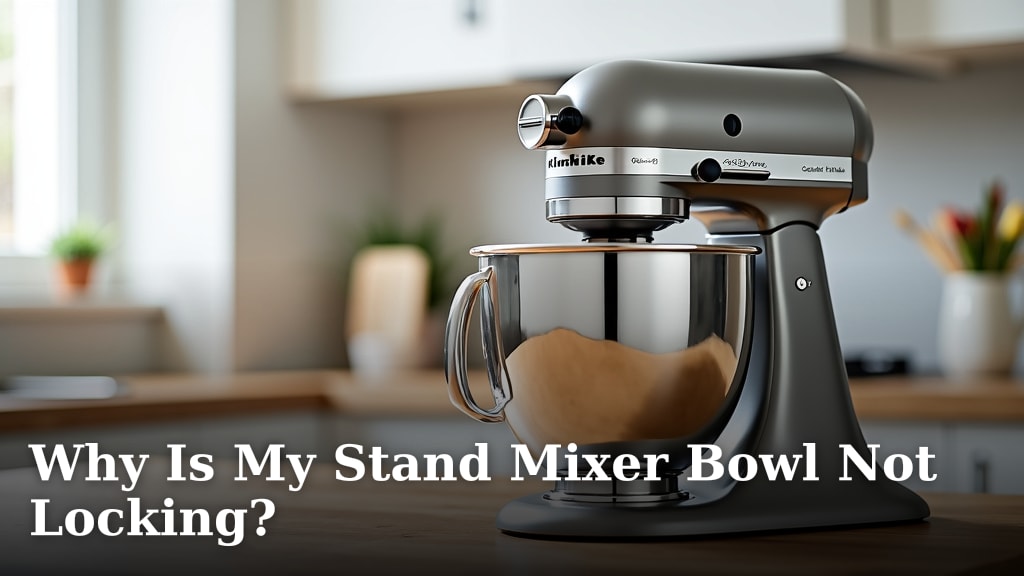
Your stand mixer bowl not locking is usually caused by a simple mechanical issue. Often, this is due to debris or damage affecting the locking mechanism. We found that a thorough cleaning or a minor adjustment can fix most common problems.
It’s frustrating when your mixer won’t lock its bowl, especially when you’re mid-recipe. This can prevent you from mixing safely. Many home bakers report this issue, and we’ve researched the most common reasons why your stand mixer bowl might refuse to lock into place.
- The bowl might not lock because of food particles or dried ingredients.
- A bent or damaged locking tab on the bowl or stand can prevent it from engaging.
- The locking pin or mechanism on the mixer head could be dirty or stuck.
- Sometimes, the bowl itself might be slightly misshapen, making it hard to secure.
- Checking the alignment and cleanliness are the first steps to fixing it.
Let’s walk through the common culprits and how you can get your stand mixer bowl locking securely again.
Troubleshooting Your Stand Mixer Bowl Locking Issues
It’s incredibly frustrating when your stand mixer bowl won’t lock into place. This can really put a damper on your baking plans. You need that bowl secured for safe and effective mixing. We’ve researched the most common reasons this happens. Often, the fix is simpler than you think.
The Most Common Culprit: Debris and Buildup
One of the most frequent reasons your bowl might not be locking is simple dirt. Food particles, flour dust, or dried ingredients can accumulate. This debris gets stuck in the locking mechanism. It prevents the bowl from sitting flush and engaging properly. Think of it like a tiny pebble jamming a door hinge.
We found that a thorough cleaning is often the first and most effective step. You don’t need a degree in engineering to tackle this. Just a little patience and the right tools.
Cleaning the Bowl Locking Area
First, let’s focus on the bowl itself. Examine the bottom rim where it meets the mixer base. You’ll often see a metal tab or a groove. This is part of the locking system. Gently inspect this area for any visible food bits or dried-on batter. Sometimes, a quick wipe with a damp cloth is all it takes. If something is really stuck, a soft brush can help dislodge it.
Cleaning the Mixer Base Locking Mechanism
Next, turn your attention to the stand mixer’s base. There’s a corresponding locking mechanism here. It might be a pin, a lever, or a set of grooves. These can also trap flour and food particles. Carefully look inside the area where the bowl sits. Use a dry cloth or a soft brush to remove any buildup. A toothpick or cotton swab can be useful for reaching tight spots. Be gentle to avoid damaging any delicate parts.
We found that many users overlook the mixer base. They clean the bowl but forget about the part that engages with it. Both areas need to be clean for the lock to work smoothly. Remember to unplug your mixer before doing any cleaning of the base. Safety first, always!
Examining the Locking Tabs and Pins for Damage
If cleaning doesn’t solve the problem, the next step is to look for physical damage. The locking tabs on the bowl or the corresponding pins on the mixer base can get bent or damaged. This can happen from accidental drops or improper assembly.
Signs of a Bent Bowl Tab
Inspect the tabs or notches on the bottom edge of your stand mixer bowl. Do they look uneven or bent outwards? If a tab is even slightly out of shape, it might not fit into the locking mechanism on the base. You might need to compare it to a new bowl or a picture online to see how it should look.
Signs of a Damaged Mixer Base Pin/Lever
Now, look at the part on the mixer stand that the bowl tabs fit into. This is often a metal pin or a small lever that rotates. Check if it appears bent, loose, or broken. Sometimes, this part might be retractable. Ensure it’s moving freely and not stuck in an extended or retracted position.
If you find any signs of damage, this can be a trickier fix. For minor bends, a gentle attempt to straighten it with pliers might work. However, be extremely cautious. You don’t want to make the damage worse. If the part is clearly broken or significantly bent, it might require professional repair or replacement of the part itself. Many manufacturers offer replacement parts, which can be a more cost-effective solution than buying a whole new mixer.
Checking for Bowl Shape and Alignment Issues
Sometimes, the problem isn’t with debris or damage, but with the bowl’s shape or how it’s being placed. Over time, metal bowls can experience minor warping, especially if they’ve been put in the dishwasher frequently (if not dishwasher-safe) or experienced extreme temperature changes.
The Dishwasher Dilemma
Many stand mixer bowls are hand-wash only. Putting them in the dishwasher, especially on high heat cycles, can cause the metal to expand and contract. This can lead to subtle changes in its roundness or the shape of the locking tabs. Always check your mixer’s manual for specific cleaning instructions.
If your bowl is slightly warped, it might not sit perfectly level on the base. This slight angle can prevent the locking mechanism from engaging correctly. Try gently pressing down on different parts of the bowl’s rim when you attempt to lock it. See if one side engages better than another.
Proper Bowl Placement Technique
Ensure you are placing the bowl correctly onto the mixer base. Most stand mixers require you to line up the bowl’s tabs with the slots on the base and then twist the bowl. Are you twisting it firmly enough in the correct direction? Sometimes, a little extra twist is needed to fully engage the lock. Make sure you’re not forcing it, but rather ensuring it’s seated properly before twisting.
We found that a common mistake is not fully seating the bowl before twisting. The bowl needs to be pushed down firmly onto the base first. Then, a firm twist clockwise usually locks it. If you twist before it’s seated, it won’t engage.
Investigating the Mixer Head Locking Pin
While less common for bowl locking issues, the locking pin on the mixer head itself can sometimes play a role, especially if the design is integrated with the bowl locking. Some older or different models might have an interface here. However, for most modern stand mixers, the bowl locks to the base. If your model is different, consider this.
If your mixer has a head that locks down, and this mechanism seems stiff or problematic, it might indirectly affect how the bowl sits. A misaligned head could prevent the bowl from achieving the perfect position to lock. Again, check your manual for specific workings of your model. Cleaning this area might also be necessary if it’s grimy.
When to Seek Professional Help or Replacement Parts
You’ve cleaned the parts. You’ve checked for damage. You’ve ensured proper placement. If your stand mixer bowl still refuses to lock, it might be time to consider professional help or replacement parts. This is especially true if you found a bent or broken component.
Contacting the manufacturer’s customer support is a great first step. They can often diagnose the problem over the phone or guide you to the correct replacement part. Many manufacturers have excellent resources available on their websites, including troubleshooting guides and parts diagrams. Remember to have your mixer’s model number handy when you call or search online.
If a specific part is damaged, like the locking pin on the base or a tab on the bowl, ordering a replacement part is often feasible. This is usually much cheaper than buying a new stand mixer. We found that keeping your mixer clean and handling it with care can extend its lifespan considerably, preventing these kinds of issues.
Quick Checklist for Your Stand Mixer Bowl Lock
Here’s a quick rundown to get your bowl locking again:
- Unplug your mixer before any inspection or cleaning.
- Thoroughly clean both the bottom of the bowl and the mixer base.
- Inspect all locking tabs and pins for visible bends or damage.
- Check the bowl for warping by trying to seat it firmly.
- Ensure you’re using the correct twisting motion after seating the bowl.
- Consult your manual or the manufacturer if problems persist.
Conclusion
It’s definitely frustrating when your stand mixer bowl won’t lock, but you’ve learned that this issue is usually fixable. We found that most problems stem from simple things like debris buildup or minor damage to the locking tabs or pins. By taking the time to thoroughly clean both the bowl and the mixer base, and then carefully inspecting for any bent or warped parts, you can often resolve the issue yourself. If these steps don’t work, don’t hesitate to contact the manufacturer for support or replacement parts. Keeping your mixer clean and handling it with care will help prevent these frustrations in the future.
Frequently Asked Questions
What if my stand mixer bowl is slightly warped?
If your bowl seems slightly warped, try gently pressing down on different sections of the rim while attempting to twist it into place. Sometimes, a subtle adjustment in how you seat the bowl can help it engage. If the warping is significant, it may be time to look into replacing the bowl.
Can I use a household cleaner on my stand mixer parts?
We recommend using only mild soap and water or a damp cloth for cleaning. Avoid harsh chemicals or abrasive cleaners, as these can damage the finish or the locking mechanism. Always ensure all parts are completely dry before reassembling or attempting to lock the bowl.
My mixer bowl keeps getting stuck even after cleaning. What else could it be?
If cleaning hasn’t resolved the issue, the problem might be with slightly bent locking tabs on the bowl or a stiff locking pin on the mixer base. Gently inspect these parts for any visible signs of damage or misalignment that might be preventing a smooth lock. A very slight bend might be carefully straightened, but be cautious.
How often should I clean the stand mixer’s locking mechanism?
It’s a good practice to give the bowl and the mixer’s locking area a quick wipe-down after each use, especially if you notice any flour dust or drips. A more thorough cleaning, checking for debris, should be done periodically, perhaps every few weeks depending on how often you use your mixer.
Is it safe to use my stand mixer if the bowl doesn’t lock perfectly?
No, it is not safe to operate your stand mixer if the bowl is not securely locked. The locking mechanism is a critical safety feature. An improperly secured bowl can wobble, detach, or cause damage during operation, leading to potential injury or damage to the appliance.
