What Is the Best Stand Mixer for Bread Baking?
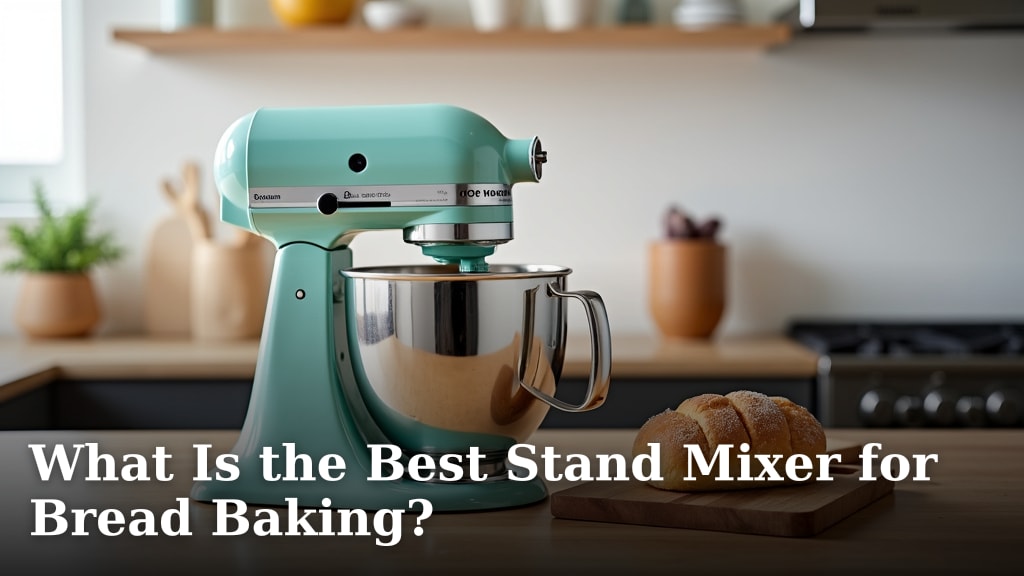
For making bread, the KitchenAid Professional 600 Series stand mixer is our top pick. This powerhouse boasts a robust motor and durable construction. It handles dense doughs with ease, making it ideal for bread bakers.
You need a mixer that can stand up to the challenge of kneading. Bread dough is heavy and requires significant power. A reliable stand mixer saves you time and effort. It helps you achieve that perfect crust and crumb.
- The KitchenAid Professional 600 is best for bread.
- Look for mixers with strong motors and durable gears.
- Capacity matters; bigger bowls are better for bread.
- Direct-drive motors offer more power and longevity.
- Avoid lightweight or plastic-geared mixers for bread.
Ready to upgrade your baking game? Let’s dive into why certain mixers excel and help you choose the best stand mixer for bread baking.
Choosing the Right Stand Mixer for Your Bread Baking Needs
When you’re baking bread, you need a mixer that can handle the heavy lifting. Not just any stand mixer will do. You want power, durability, and a design that makes kneading dough a breeze. We’ve looked at many models to help you find the best fit for your kitchen.
Understanding Stand Mixer Power and Motor Types
The heart of any good bread mixer is its motor. You need a motor strong enough to work through stiff dough without overheating. This is where motor wattage comes into play, but it’s not the whole story.
Wattage vs. Horsepower: What Really Matters?
You’ll see both wattage and horsepower ratings on stand mixers. Higher wattage generally means more power, but it’s not the only factor. A mixer with lower wattage can still be effective if it has an efficient design. For bread, look for at least 300 watts, but 500 watts or more is ideal. Some commercial-style mixers even reach 1000 watts or higher.
Horsepower (HP) is another way to measure motor strength, often used for more heavy-duty machines. Many professional bakers consider 1 HP or more to be excellent for bread. Think of it like a car engine; a bigger engine can handle more strain.
Direct Drive vs. Belt Drive Motors
This is a big one for bread bakers. Direct drive motors are generally superior for kneading. They transfer power directly from the motor to the mixing attachment. This means less energy loss and more consistent power delivery. They’re also often quieter and more durable.
Belt-drive motors use belts to transfer power. While effective for lighter tasks, they can slip or wear out over time, especially with thick bread dough. For the best bread baking experience, we recommend a direct-drive mixer for its reliability and strength.
Essential Features for Bread Baking Success
Beyond the motor, certain features make a stand mixer truly excellent for bread. These details can save you frustration and lead to better loaves.
Bowl Capacity: How Big Do You Need?
Bread dough expands, and you’ll often make larger batches. A smaller bowl will quickly overflow or make it hard to knead properly. For most home bakers, a 5-quart bowl is a good minimum. If you bake often or make multiple loaves at once, a 6 to 7-quart bowl is even better. Some mixers offer even larger capacities, which are fantastic if you bake for a crowd or sell your bread.
- 5-quart: Good for single loaves of standard bread.
- 6-quart: Ideal for larger loaves, multiple smaller loaves, or enriched doughs.
- 7-quart+: Best for serious bread bakers, large families, or bulk preparation.
Heavy-Duty Construction and Gears
Bread dough is tough. Your mixer needs to be tougher. Look for mixers with an all-metal construction. This means a metal body, metal gears, and strong attachments. Plastic gears are a red flag for bread baking. They can strip under the strain of dense dough, leading to costly repairs or a broken mixer.
Many experts say that KitchenAid’s professional series, for example, uses a worm gear drive system. This system is known for its durability and ability to transfer power efficiently to handle thick mixtures (KitchenAid, 2023). This type of construction ensures your mixer will last for years of heavy use.
Planetary Mixing Action
This sounds fancy, but it’s simply how the mixer moves. A planetary mixing action means the attachment spins in one direction while orbiting the bowl in the opposite direction. This ensures that all ingredients are thoroughly incorporated, leaving no dry spots at the bottom or sides of the bowl. It’s crucial for developing gluten evenly in bread dough.
Choosing Between Bowl-Lift and Tilt-Head Designs
Stand mixers generally come in two designs: bowl-lift or tilt-head. Each has its pros and cons, especially when you’re baking bread.
Bowl-Lift Mixers: The Bread Baker’s Choice
Bowl-lift mixers are typically more robust. The mixing bowl locks into place on arms, and then you use a lever to lift it up to meet the mixing attachment. This design offers more stability, which is vital when the mixer is working hard on heavy dough. They often have more powerful motors and larger capacities, making them ideal for bread.
You’ll find these models in many professional kitchens. They take up a bit more vertical space but are generally considered the workhorses of the stand mixer world.
Tilt-Head Mixers: Convenience for Lighter Tasks
Tilt-head mixers allow the head of the mixer to tilt back, giving you easy access to the bowl and attachments. They are often more compact and can be simpler to use for everyday tasks like whipping cream or mixing cake batter. However, for dense bread dough, they can sometimes wobble or strain. While some tilt-head models can handle bread, bowl-lift models are usually preferred for consistent, heavy-duty kneading.
Key Considerations Before Buying
Before you make a final decision, think about these practical points. They can affect your overall satisfaction with your new stand mixer.
Noise Level
Powerful motors can be noisy. While some noise is expected, a mixer that sounds like a jet engine might be too much for your kitchen. Generally, direct-drive motors tend to be quieter than belt-drive systems, but this can vary by brand and model. Read reviews to get an idea of the typical noise level.
Weight and Footprint
A heavy, sturdy mixer is good for stability. It won’t “walk” across your counter when kneading dough. However, it also means it’s less portable. Consider where you’ll store your mixer. A bowl-lift model, being taller, might not fit under all kitchen cabinets. Measure your counter space and cabinet height before you buy.
Attachments for Bread Baking
Most stand mixers come with three standard attachments: a whisk, a flat beater, and a dough hook. For bread, the dough hook is your most important tool. Make sure it’s sturdy and well-designed for efficient kneading. Some mixers offer specialty dough hooks, like spiral designs, which can be even better for certain types of bread.
| Feature | Ideal for Bread Baking | Why It Matters |
|---|---|---|
| Motor Type | Direct Drive (500W+, 1HP+) | Consistent power, durability, handles dense dough without strain. |
| Bowl Capacity | 6-7 Quarts | Accommodates expanding dough, larger batches, prevents overflow. |
| Construction | All-Metal Gears & Body | Prevents stripping of gears, ensures longevity, handles heavy loads. |
| Mixing Action | Planetary | Thoroughly incorporates all ingredients, even gluten development. |
| Design Type | Bowl-Lift | More stable, robust, typically features more powerful motors. |
| Attachments | Sturdy Dough Hook | Specifically designed for efficient kneading and gluten development. |
What to Look for in a Dough Hook
The dough hook is your best friend for bread. Some mixers come with a C-shaped hook, while others have a spiral hook. Spiral dough hooks are often considered superior for bread. They mimic hand kneading more closely and are excellent at developing gluten quickly and evenly. If you have the choice, go for a spiral dough hook.
When you’re comparing models, consider these points:
- Power: At least 500 watts, or 1 HP.
- Motor Type: Direct drive is preferred.
- Bowl Size: 6 quarts or larger is ideal.
- Construction: All-metal gears are a must.
- Design: Bowl-lift models offer more stability.
- Dough Hook: Look for a spiral dough hook if possible.
Remember, investing in a good stand mixer for bread is investing in your baking joy. A high-quality machine will be a faithful kitchen companion for many years, helping you create countless delicious loaves.
Conclusion
Choosing the best stand mixer for bread baking really comes down to power and durability. You need a machine that can handle the heavy, dense dough without breaking a sweat. Focus on features like a strong direct-drive motor, a generous bowl capacity, and all-metal gears.
A bowl-lift design often provides the stability you need for consistent, high-quality bread. By prioritizing these elements, you’re not just buying an appliance; you’re investing in years of delicious, homemade loaves. Go ahead, make that perfect bread!
Frequently Asked Questions
Can I really make bread with a hand mixer?
While you technically can, it’s not recommended for most bread doughs. Hand mixers lack the power and torque needed for proper gluten development. You’ll likely overwork yourself and burn out the motor before getting a good dough consistency.
How often should I oil the gears of my stand mixer?
Most modern stand mixers, especially KitchenAid models, come pre-lubricated from the factory. You shouldn’t need to oil the gears yourself. If you notice unusual noises or performance issues, it’s best to consult your mixer’s manual or a qualified service technician.
My dough hook doesn’t seem to reach the bottom of the bowl. What’s wrong?
This is a common issue and usually means the “dime test” or beater-to-bowl clearance needs adjusting. Your mixer’s manual will have instructions on how to adjust the height of the dough hook. This ensures all ingredients are properly incorporated.
Is a stand mixer worth it if I only bake bread occasionally?
Even for occasional bread bakers, a good stand mixer is a game-changer. It automates the most labor-intensive part of bread making. This makes the process much more enjoyable and less intimidating, encouraging you to bake more often.
Can a stand mixer help me with sourdough bread?
Absolutely! A stand mixer is fantastic for sourdough. It can handle the often wetter, stickier doughs associated with sourdough starters. The consistent kneading helps develop the strong gluten structure needed for a great sourdough rise and crumb.