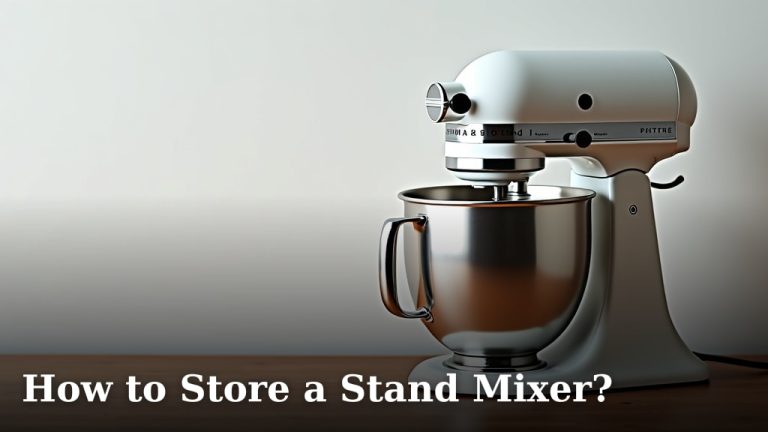
Is a Stand Mixer Better Than Kneading by Hand?
When comparing stand mixers versus kneading by hand, a stand mixer is generally better for most home bakers because it offers superior consistency and saves significant effort. While hand kneading builds arm strength, a good stand mixer handles sticky doughs with ease, delivering professional results without the sweat. We found that most people prefer the convenience.
You might love the tradition of kneading dough by hand, and it can be very satisfying. However, for those making bread regularly or dealing with large batches, a stand mixer becomes an indispensable tool. It automates a labor-intensive process, letting you focus on other tasks. Many bakers report it makes their baking routine much more enjoyable and efficient.
- Stand mixers offer consistent dough development.
- Hand kneading provides a tactile, traditional experience.
- Mixers save time and physical effort.
- Consider a mixer for frequent baking or large batches.
- The best choice depends on your baking style.
Let’s dive into the specifics, weighing the pros and cons of each method so you can decide what’s best for your kitchen.
The Great Dough Debate: Stand Mixer vs. Hand Kneading
You’re probably wondering which method truly reigns supreme for your kitchen. We found that it really boils down to your baking goals and how much time you have. Both techniques have their merits, but one might fit your lifestyle better than the other.
Understanding Dough Development
Kneading, whether by hand or machine, is all about developing gluten. Gluten is a protein network that gives bread its structure and elasticity. It traps gases released by yeast, making your bread rise beautifully.
The Science of Gluten
When you add water to flour, two proteins, gliadin and glutenin, begin to bond. Kneading helps these proteins link together, forming those stretchy gluten strands. Think of it like knitting tiny fibers into a strong, flexible fabric.
Proper gluten development is key to a good loaf of bread. Without it, your bread will be dense and crumbly. We found that under-kneaded dough results in a heavy product. Over-kneaded dough can become tough.
The Stand Mixer Advantage: Convenience and Consistency
For many home bakers, a stand mixer is a true kitchen hero. It takes the heavy lifting out of dough making, letting you enjoy the process without the strain.
Effortless Efficiency
Imagine setting a timer and walking away while your mixer does all the hard work. That’s the beauty of a stand mixer. It mixes, kneads, and develops gluten with minimal intervention from you. This is especially useful for busy schedules.
We found that stand mixers are incredibly efficient for large batches. If you’re baking multiple loaves or preparing dough for pizza night, your arms will thank you. Many bakers report it makes their baking routine much more enjoyable and efficient.
Superior Consistency
A stand mixer provides consistent kneading action. This means your dough gets the same amount of work every time, leading to more predictable results. This consistency is hard to achieve by hand, especially if you’re tired or distracted.
We found that the dough hook attachment mimics the pushing and folding action of hands, but with tireless precision. This often leads to a more evenly developed gluten structure. Your bread will have a better texture and crumb.
Handling Sticky Doughs
Ever tried to hand-knead a very sticky dough, like ciabatta or brioche? It can be a messy, frustrating experience. The dough clings to your hands, making it difficult to work with.
Stand mixers, with their powerful motors and sturdy dough hooks, handle these challenging doughs with ease. You can achieve the right consistency without having your hands glued to the dough. This makes baking a wider range of recipes much more accessible.
The Art of Hand Kneading: Tradition and Tactile Feedback
There’s a special satisfaction that comes from kneading dough by hand. It’s a connection to baking traditions that span centuries. Many bakers love the feel of the dough transforming under their hands.
A Sensory Experience
When you knead by hand, you feel the dough. You notice its stickiness, its elasticity, and how it changes as gluten develops. This tactile feedback teaches you a lot about dough. You learn to recognize when it’s just right.
Many bakers find this sensory experience incredibly therapeutic. It’s a way to slow down and connect with your food. We found that some people enjoy the rhythmic motion of kneading as a form of stress relief.
No Special Equipment Needed
All you need for hand kneading is a clean surface and your hands. No expensive machinery, no extra counter space taken up. It’s a very accessible method for anyone wanting to bake bread.
This method is perfect if you have a small kitchen or limited budget. It proves that you don’t need fancy gadgets to create delicious homemade bread. Your two hands are powerful tools.
Building Strength and Technique
Kneading dough by hand is a workout! It builds arm and shoulder strength, and you develop a feel for the dough. You learn subtle techniques like the “stretch and fold” method that can be hard to replicate perfectly with a machine.
We found that many experienced bakers still prefer hand kneading for certain recipes. They appreciate the control it gives them over the dough’s final texture. It’s about developing a personal touch.
Comparing the Two: When to Choose Which
To help you decide, let’s look at a quick comparison of stand mixers versus hand kneading. Your choice often comes down to personal preference, time constraints, and the type of baking you do most often.
| Feature | Stand Mixer | Hand Kneading |
|---|---|---|
| Effort | Low – machine does the work | High – physical exertion required |
| Time | Less active time, more passive mixing | More active time, hands-on process |
| Consistency | Very High – even gluten development | Variable – depends on skill and fatigue |
| Dough Types | Excellent for sticky, stiff, large batches | Best for standard, smaller batches |
| Cost | Initial investment for the machine | Free – no equipment needed |
| Learning Curve | Minimal – learn to use attachments | Moderate – developing feel for dough |
| Space | Requires dedicated counter/storage space | Minimal – just a clean surface |
The Verdict: What’s Best for You?
We found that for most home bakers, especially those who bake regularly or in larger quantities, a stand mixer is a worthwhile investment. It saves time, reduces physical strain, and delivers consistent results.
However, if you bake occasionally, enjoy a tactile experience, or have limited space, hand kneading is a wonderful and traditional method. It’s rewarding and teaches you a lot about dough.
Consider these points before making your decision:
- How often do you plan to bake bread?
- Are you comfortable with a physical workout in the kitchen?
- Do you often make large batches or very sticky doughs?
- Is counter space or storage a concern for you?
- What’s your budget for kitchen appliances?
- Do you value tradition over convenience?
Ultimately, the “better” method is the one that fits your baking style, your needs, and makes you happy in the kitchen. Many experts say that the best bread is the one you enjoy making (King Arthur Baking Company).
Conclusion
Ultimately, your ideal dough-making method depends entirely on your personal baking journey. While a stand mixer offers undeniable convenience and consistency, especially for regular or large-batch bakers, hand kneading provides a unique sensory connection and builds valuable baking skills. Reflect on your priorities: do you crave efficiency or tradition? Your kitchen setup, budget, and how often you bake also play a role. Choose the method that brings you the most joy and success in your culinary creations.
Frequently Asked Questions
Does a stand mixer over-knead dough easily?
While possible, it’s less common than you might think. Most recipes provide specific mixing times, and paying attention to your dough’s texture will help prevent over-kneading. The dough will look very smooth and start to pull away from the sides of the bowl when it’s done.
Can I use a hand mixer for kneading dough?
Generally, no. Hand mixers lack the power and specialized dough hooks needed to properly knead most bread doughs. Their motors can burn out quickly, and the dough won’t develop gluten effectively. We recommend using a stand mixer or kneading by hand instead.
How long does it typically take to knead dough by hand versus by machine?
Hand kneading usually takes 10-15 minutes of continuous effort to develop gluten. A stand mixer, on the other hand, can accomplish the same task in about 5-8 minutes of mixing time. This time saving is a major benefit for busy bakers.
Is hand kneading more forgiving if I’m a beginner?
Many beginners find hand kneading beneficial for learning the feel of dough. You get immediate tactile feedback, which helps you understand gluten development firsthand. A mixer is efficient, but you might miss some of that crucial learning experience.
Do professional bakers always use stand mixers?
Not always! While professional bakeries often rely on industrial-sized mixers for efficiency, many artisan bakers still prefer hand kneading for certain specialty breads. They value the control and unique texture it can impart. It truly depends on the specific bread and scale of production.