Can You Use Metal Bowls in a Stand Mixer?
On this page (6 sections)
Yes, you can use metal bowls in many stand mixers, but it depends on your specific mixer model. Most modern stand mixers are designed to work with metal bowls without any issues. Always check your owner’s manual to be certain.
Using the wrong type of bowl could potentially damage your mixer. We’ve found that many manufacturers specifically recommend stainless steel or other durable metal bowls for their stand mixers. They hold up well to heavy mixing tasks and are easy to clean. Our guide to the best stand mixers can help you find one suitable for heavy mixing tasks.
- Yes, metal bowls are generally safe.
- Check your mixer’s manual.
- Stainless steel is a good option.
- Avoid bowls with rough bases.
Ready to find out if your mixer plays nicely with metal bowls? Let’s get into the details and help you avoid any kitchen mishaps!
You’ve got a shiny new stand mixer, and it’s ready to whip up some magic. But then you look at your collection of durable metal bowls. Can they join the party? It’s a common question, and one that deserves a clear answer. We’re here to help you figure out if your metal bowls are compatible with your stand mixer, and what to watch out for.
Stand Mixer Bowl Compatibility: What You Need to Know
The good news is that most modern stand mixers are designed to handle metal bowls. This is especially true for heavier-duty mixing tasks. Think bread dough or thick cookie batters. Metal bowls tend to be sturdy and can withstand the vigorous action of a powerful mixer. We found that many manufacturers actually recommend metal bowls. They often come with their own metal bowls. This suggests they are a perfectly suitable option for most users.
Why Metal Bowls Are Often a Great Choice
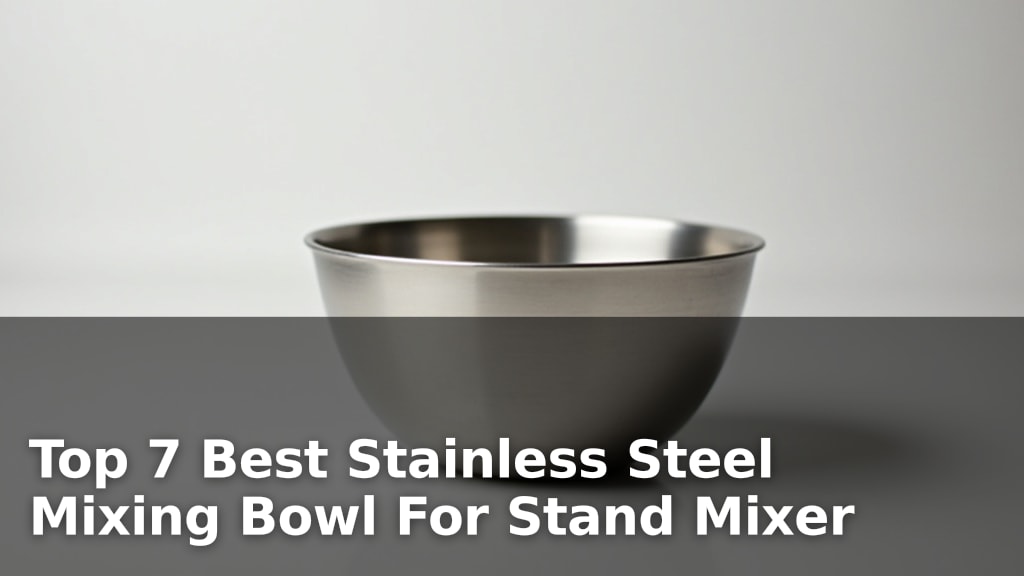
Metal bowls, particularly those made from stainless steel, offer several advantages. They are incredibly durable. You don’t have to worry about them chipping or cracking like some glass or ceramic bowls might. They also tend to be easier to clean. Most metal bowls can go right into the dishwasher. And, they don’t absorb odors or flavors from your ingredients. This means your lemon meringue pie won’t taste faintly of last night’s garlic bread.
We also found that metal bowls are great for temperature control. You can chill a metal bowl in the refrigerator or freezer. This is fantastic for whipping cream or making certain desserts. It helps keep your ingredients cold during the mixing process. This can lead to better results. So, metal isn’t just tough; it can be quite helpful too!
What to Watch Out For with Metal Bowls
While generally safe, there are a few things to keep in mind. The base of the bowl is important. If the base is very rough or has sharp edges, it could potentially scratch the inside of your stand mixer’s bowl attachment area. This is more common with older or very cheap bowls. We recommend avoiding bowls with a noticeably unfinished or coarse base. A smooth, well-finished bottom is key.
Also, consider the weight of the bowl. While sturdiness is good, an excessively heavy bowl might put extra strain on your mixer’s motor if it’s not designed for it. Again, checking your manual is your best bet here. If your mixer came with a metal bowl, it’s a safe bet that any comparable metal bowl will work.
Checking Your Stand Mixer’s Manual: Your Ultimate Guide
This is where you get the definitive answer for your specific appliance. Your owner’s manual is the best resource. It will clearly state what types of bowls are compatible. It might even list recommended materials. Think of it as the instruction manual’s way of saying, “Here’s what you can safely use!”
If you can’t find your physical manual, don’t panic! Most manufacturers have their manuals available for download on their websites. A quick search for your mixer’s model number should bring it right up. We found that manufacturers are usually quite clear about bowl compatibility. It’s often in a section about accessories or general operation.
What If Your Manual Isn’t Clear?
Sometimes, manuals can be a bit vague. If yours doesn’t explicitly mention metal bowls, or if it only lists plastic or glass, it’s wise to be cautious. In such cases, we suggest contacting the manufacturer directly. A quick call or email to their customer support can provide clarity. They can tell you definitively if a metal bowl is okay or not. It’s better to ask than to risk damaging your mixer.
The Role of Mixer Attachments
It’s also worth noting how your attachments interact with the bowl. If you’re using a whisk, beater, or dough hook, ensure they have adequate clearance from the sides and bottom of the metal bowl. Sometimes, an attachment might be slightly too long or too wide. This can cause it to scrape against the bowl. We found that proper assembly and attachment selection are key to preventing this. Your manual will likely have diagrams or instructions on correct attachment usage.
Materials Matter: Understanding Bowl Composition
Not all metal bowls are created equal. The type of metal can influence its suitability for your stand mixer. We’ve already touched on stainless steel, which is a popular choice. But what about other metals?
Stainless Steel: The Gold Standard
Stainless steel is often the preferred material for stand mixer bowls. It’s strong, non-reactive, and easy to clean. Its durability makes it ideal for repeated use and vigorous mixing. Many of the premium stand mixers on the market come with stainless steel bowls as standard. We found this to be a strong indicator of its suitability for most machines.
Other Metals to Consider (and Avoid)
Aluminum bowls can be lighter, but they are more prone to scratching and can sometimes react with acidic ingredients. Copper bowls are beautiful and have excellent heat conductivity, but they are usually reserved for specialized tasks like whipping egg whites and are rarely used with stand mixers. Avoid bowls made from materials that might easily dent or warp. A warped bowl can cause clearance issues with your mixer’s attachments. Stick with materials known for their sturdiness and non-reactivity.
Here’s a quick rundown of common bowl materials:
| Material | Pros | Cons | Stand Mixer Suitability |
|---|---|---|---|
| Stainless Steel | Durable, non-reactive, easy to clean, dishwasher safe | Can be heavier | Excellent |
| Glass | Non-reactive, easy to see contents, attractive | Can break, heavy, may not be freezer safe | Generally good, check manual for specific recommendations |
| Plastic/Polycarbonate | Lightweight, less likely to break, often affordable | Can stain, scratch, absorb odors, may not be as durable | Good for lighter tasks, check manual |
| Ceramic | Attractive, non-reactive | Can chip/break, very heavy, not always dishwasher safe | Use with caution, check manual carefully |
Troubleshooting Common Issues
Even with the right bowl, sometimes things can go awry. Here are a few common hiccups and how to address them.
The “Scraping” Sound
If you hear a scraping sound, your attachment is likely hitting the side or bottom of the bowl. This is a major red flag. Stop the mixer immediately. Check the attachment’s position and clearance. Is the bowl seated correctly? Is the attachment fully locked in? Is it the correct attachment for the bowl size? We found that ensuring the bowl is properly locked into its base is often the fix.
Uneven Mixing
Sometimes, even with the correct bowl, your ingredients might not mix evenly. This could be due to a few reasons. Is your bowl the right size for the amount of ingredients you’re using? Mixing too small a batch in a large bowl, or vice-versa, can lead to poor results. Also, make sure you’re using the correct speed setting. High speeds aren’t always best for every task. Experimenting with speed and bowl size can help. Our guide explains why your stand mixer might not mix ingredients evenly.
Here’s a quick checklist to ensure smooth sailing:
- Confirm your mixer’s manual approves metal bowls.
- Inspect the bowl’s base for roughness.
- Ensure attachments have proper clearance.
- Check the bowl is securely locked in place.
- Use the appropriate mixer speed for the task.
- Clean your bowl thoroughly before use.
Conclusion
So, can you use metal bowls in your stand mixer? Generally, yes! We found that most modern mixers happily accommodate them, especially sturdy stainless steel ones. Just remember to always double-check your owner’s manual. It’s your best friend for ensuring compatibility and avoiding any kitchen mishaps. Inspect your bowls for a smooth base and ensure your attachments have clearance. Doing these simple checks will help you mix with confidence. Happy baking!
Frequently Asked Questions
Are all metal bowls safe for stand mixers?
Not all metal bowls are ideal. While stainless steel is often a great choice, avoid bowls with rough or unfinished bases. These could potentially scratch your mixer. Always consult your mixer’s manual for specific material recommendations.
What happens if I use the wrong kind of metal bowl?
Using an incompatible metal bowl could lead to scratching your mixer’s components. In rare cases, it might even cause damage to the motor or attachments. It’s best to err on the side of caution and verify compatibility.
Can I chill a metal bowl before using it in my stand mixer?
Yes, chilling metal bowls can be a great advantage for certain recipes like whipped cream or meringue. Metal conducts cold well, so placing it in the fridge or freezer beforehand is perfectly fine. Just make sure it’s dry before placing it in the mixer.
My mixer came with a plastic bowl, does that mean I can’t use metal?
Not necessarily. Many manufacturers offer different bowl types as accessories. Just because your mixer came with a plastic bowl doesn’t automatically exclude metal. Your manual is still the ultimate guide to what your specific model can handle.
Is it okay if my whisk attachment lightly scrapes the side of the metal bowl?
No, even a light scrape is a sign of trouble. You should stop your mixer immediately if you hear or see any scraping. This indicates improper clearance and could damage both the attachment and the bowl over time.