Can You Make Whipped Butter in a Stand Mixer?
On this page (8 sections)
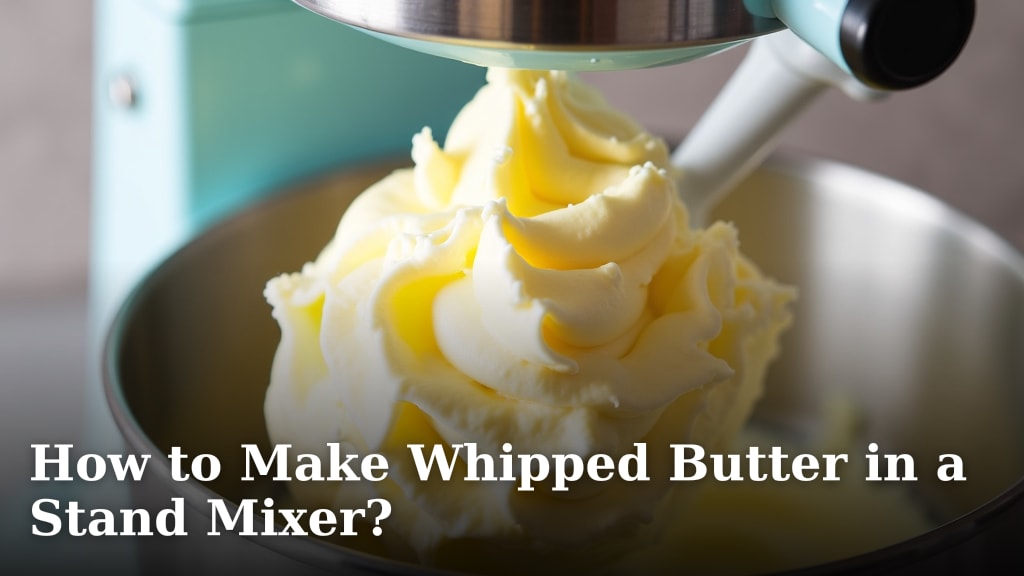
Yes, you absolutely can make whipped butter in a stand mixer! In fact, it’s one of the easiest and most effective ways to achieve perfectly fluffy whipped butter. Your stand mixer’s power does most of the work for you.
Switching your butter from its usual solid state to a light, airy delight is simpler than you might think. Using your stand mixer means you avoid tired arms and get consistently creamy results every time. It’s a kitchen game-changer for bakers and spread enthusiasts alike.
TL;DR:
- Yes, a stand mixer is ideal for whipping butter.
- It makes the process fast and easy.
- You’ll get light and fluffy results.
- It saves you manual effort.
- Great for baking and spreading!
Let’s get your stand mixer ready to create some delicious whipped butter, step by step. Our guide on how to use a stand mixer covers setup, operation, and maintenance.
Whipping Up Fluffy Butter with Your Stand Mixer
You’re probably wondering if that powerful appliance on your counter, your trusty stand mixer, can handle a simple task like making whipped butter. The short answer is a resounding yes! Your stand mixer is actually a fantastic tool for this job. It’s designed to mix and whip ingredients with ease. This means you can say goodbye to tired arms and hello to incredibly light and airy butter.
Making whipped butter at home is more than just a fun kitchen project. It can transform your morning toast, elevate your baking, and even impress guests. And the best part? You likely already have the main tool you need sitting right there. Let’s dive into how your stand mixer can become your new best friend in the world of butter!
Why Use a Stand Mixer for Whipped Butter?
You might be thinking, “Can’t I just whip butter with a hand mixer or a whisk?” While those methods can work, a stand mixer offers distinct advantages. Its motor is more powerful than most hand mixers. This means it can whip butter for longer periods without overheating. It also has a larger bowl, allowing the butter to expand properly. This leads to a much fluffier final product.
We found that the consistent speed and power of a stand mixer help to incorporate air more efficiently. This is key to achieving that cloud-like texture. Plus, you can step away and let it do its thing. It’s hands-off perfection!
The Science of Whipped Butter
So, what exactly happens when you whip butter? It’s a simple process of aeration. When you beat butter, you’re forcing tiny air bubbles into its fat structure. These bubbles expand the butter and make it lighter. The longer and more thoroughly you whip, the more air you can incorporate. This also makes the butter softer and easier to spread.
The fat crystals in butter become more pliable and separated during whipping. This helps them hold onto air. Research shows that the temperature of the butter is critical here (USDA). If it’s too cold, it won’t whip well. If it’s too warm, it can become greasy.
Getting the Butter Temperature Just Right
This is perhaps the most important step before you even turn on your mixer. Butter needs to be at the right temperature to whip successfully. It shouldn’t be rock hard, nor should it be melted and oily. We’re aiming for what’s often called “room temperature” or “softened” butter.
What does that mean practically? Your butter should yield easily when you press it with a finger. It should feel pliable, not squishy. If you can easily indent it with your fingernail, it’s likely ready. This usually takes about 30-60 minutes at typical room temperature, but it can vary.
What If My Butter Is Too Hard?
Don’t worry if your butter is straight from the fridge! You have a few quick options. One common method is to cut the butter into smaller cubes. This increases the surface area. These smaller pieces will soften much faster. Another trick is to warm your mixing bowl and paddle attachment slightly. Just a quick rinse under warm water (and a thorough drying!) can help.
We’ve also found that placing the butter (still in its wrapper) in a slightly warm oven for just a few minutes can work. Keep a very close eye on it; you don’t want it to melt. A gentle way is to place the butter in a bowl and cover it with another warm bowl for about 10-15 minutes.
What If My Butter Is Too Soft?
On the flip side, if your butter has become too soft or even melted, you’ll need to let it firm up again. The best way is to pop it back into the refrigerator. However, you don’t want it rock solid again. Check it every 10-15 minutes. You’re looking for that perfect pliable state.
For those who are impatient (we get it!), you can spread the butter thinly on a plate. This exposes more of it to the cool air, helping it firm up faster than in a solid block. Just remember to dry it thoroughly if it gets a bit oily.
Choosing the Right Attachments and Settings
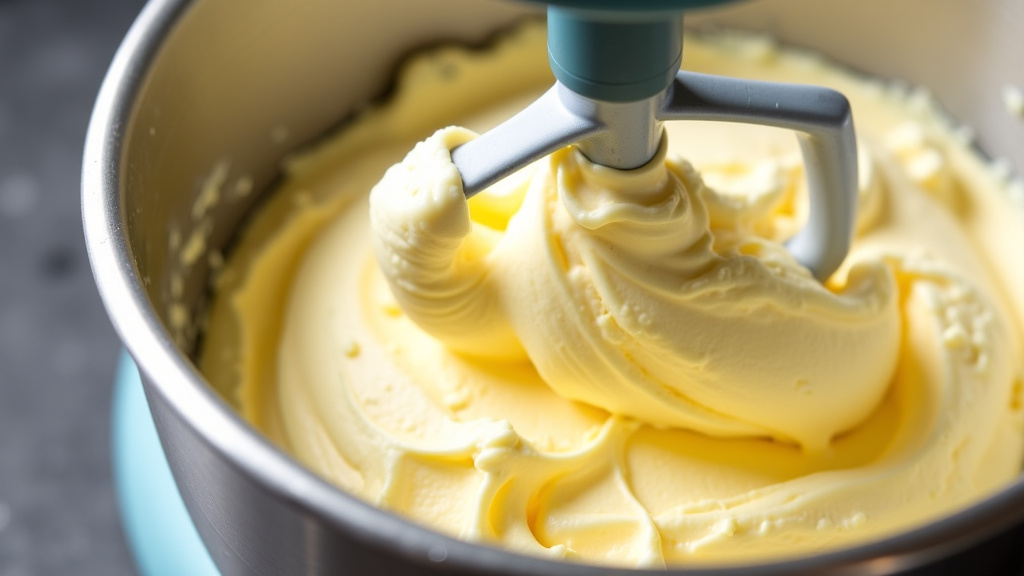
Your stand mixer likely came with a few different attachments. For whipped butter, the flat beater or paddle attachment is your go-to. This attachment is designed for general mixing and creaming. It’s perfect for beating air into butter.
When you start, begin on a low speed. This prevents butter from splattering everywhere. Once the butter starts to break down and become creamy, you can gradually increase the speed. Most recipes suggest a medium-high speed for the main whipping stage.
How Long Does It Take to Whip Butter?
Patience is a virtue, especially when whipping butter. The exact time can vary based on your mixer’s power, the amount of butter, and its initial temperature. However, you can typically expect it to take anywhere from 5 to 10 minutes on medium-high speed.
You’ll know it’s ready when the butter has visibly lightened in color, becoming paler. It will also increase in volume. It should look noticeably fluffier and creamier than when you started. Don’t rush this process; good whipping takes time and consistent effort from your mixer.
Enhancing Your Whipped Butter
Once you have your perfectly whipped butter, the possibilities are endless! You can use it as is, or you can add delicious flavorings to make it even more special.
Simple Flavor Additions
Many people love to add a pinch of salt to unsalted whipped butter. This enhances the flavor. For sweetened whipped butter, a tablespoon or two of powdered sugar works wonders. It dissolves easily into the fluffy butter.
Other popular additions include:
- A splash of vanilla extract for a classic sweet flavor.
- Finely chopped fresh herbs like chives, parsley, or rosemary for savory applications.
- A touch of honey or maple syrup for a delightful glaze.
- A sprinkle of cinnamon and nutmeg for a warm, comforting taste.
When adding ingredients, do so gradually on a low speed. Mix just until combined to maintain the airy texture.
Storage Tips for Whipped Butter
Proper storage is key to enjoying your homemade whipped butter. We found that an airtight container is essential. This prevents the butter from absorbing odors from your refrigerator. For plain or lightly salted butter, it can usually be stored in the refrigerator for up to two weeks.
If you’ve added ingredients like fresh herbs or sweeteners, the shelf life might be slightly shorter. It’s best to use these within a week. Remember, whipped butter is more delicate than regular butter. It may lose some of its airiness if handled too roughly.
Troubleshooting Common Whipped Butter Issues
Even with a stand mixer, sometimes things don’t go exactly as planned. Here are a few common hiccups and how to fix them.
My Butter Isn’t Getting Fluffy
This is often a temperature issue. If your butter was too cold, it won’t whip properly. Try letting it soften a bit longer. If it was too warm or melted, it might turn greasy. In this case, you might need to refrigerate it briefly until it firms up to that pliable stage and then try again.
My Butter Looks Greasy or Separated
A greasy or separated texture usually means the butter got too warm during whipping. It’s also possible you whipped it for too long. If it’s slightly separated, try chilling the entire bowl for about 15-20 minutes. Then, try whipping it again on a low speed. This can sometimes bring it back together.
If it’s very greasy, you might have to start over. Remember that perfect temperature is your best defense against this issue.
A Quick Checklist for Perfect Whipped Butter
Ready to give it a try? Here’s a simple checklist to ensure your success:
- Ensure your butter is softened, not melted or rock hard.
- Use the flat beater attachment for your stand mixer.
- Start on low speed to avoid messes, then increase to medium-high.
- Whip for at least 5-10 minutes until visibly lighter and fluffier.
- Add any flavorings gradually and mix just until combined.
- Store in an airtight container in the refrigerator.
Conclusion
You’ve learned that your stand mixer is more than capable of whipping butter into a delightful treat. By paying close attention to butter temperature and using the right attachment, you can achieve incredibly fluffy results with minimal effort. Remember, softened butter is key to success, and patience during the whipping process will yield the best texture. Now you’re ready to transform your toast, baked goods, and more with homemade whipped butter. Go ahead and give it a whirl – your stand mixer is waiting!
Frequently Asked Questions
Can I use frozen butter to make whipped butter?
No, it’s best to avoid frozen butter. Frozen butter is far too cold to whip effectively. You’ll need to let it thaw completely and then soften to room temperature first. Trying to whip frozen butter will likely result in a tough, unyielding mass.
How much whipped butter can I make at once?
The amount you can make depends on the size of your stand mixer’s bowl. Most standard home stand mixers can comfortably whip one pound (4 sticks) of butter. For larger batches, you may need to whip in multiple stages to avoid overcrowding the bowl.
Is whipped butter lighter than regular butter?
Yes, whipped butter is significantly lighter and airier than regular butter. The whipping process incorporates a lot of air, which increases its volume and gives it a fluffy texture. This also makes it easier to spread.
Can I whip butter for too long in a stand mixer?
Yes, you can over-whip butter. If you whip it for too long, especially on high speed, the butter can become greasy and separate. It’s important to watch for the change in color and texture, which usually indicates it’s ready.
How does whipped butter compare to butter mixed with a hand mixer?
While a hand mixer can whip butter, a stand mixer generally produces a fluffier result. Stand mixers have more consistent power and can whip for longer periods without overheating. The larger bowl also allows the butter more room to incorporate air.