What Is a Stand Mixer?
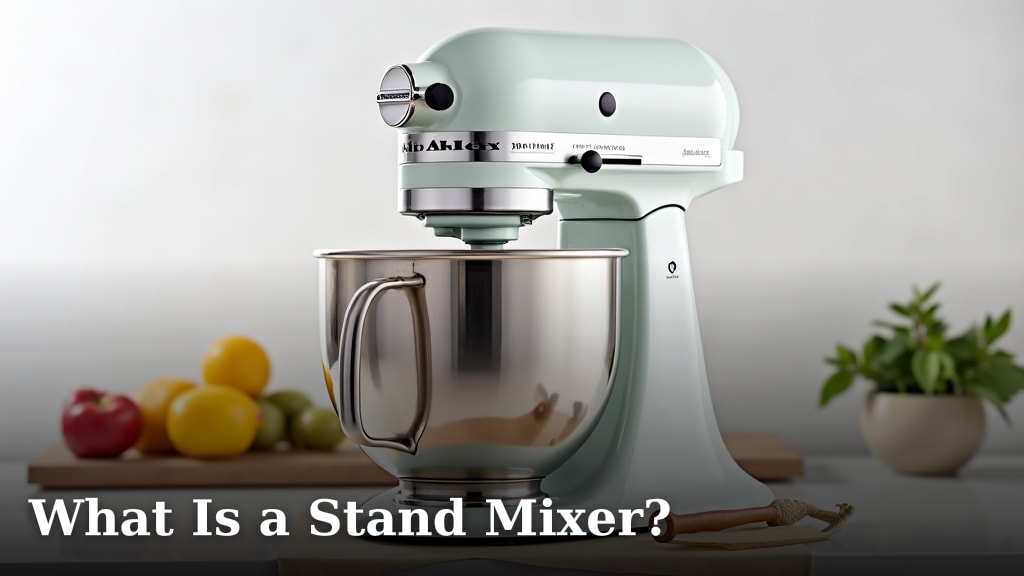
A stand mixer is a kitchen appliance designed to make your baking and cooking tasks much easier. It features a powerful motor that drives various attachments, allowing you to mix, whisk, and knead ingredients hands-free.
You can think of it as your personal kitchen assistant, tackling the heavy lifting of repetitive motions. We found that stand mixers help hobby bakers and professional chefs alike save time and effort in the kitchen. They are a true workhorse for all sorts of recipes.
- A stand mixer is a countertop appliance with a motor.
- It automates mixing, whisking, and kneading.
- This frees up your hands for other tasks.
- It’s a huge time-saver for bakers and cooks.
Ready to see how a stand mixer can transform your cooking experience? Let’s dive into all the details.
Understanding the Stand Mixer
A stand mixer is a countertop appliance that blends, beats, or kneads ingredients automatically. It uses a motor to power various attachments, taking the hard work out of repetitive kitchen tasks.
How Does a Stand Mixer Work?
At its core, a stand mixer works by using a strong motor to turn an attachment within a stationary bowl. This is often called “planetary mixing action” (KitchenAid). Imagine a planet orbiting a sun while simultaneously spinning on its own axis. That’s essentially what the beater does inside the bowl, reaching all corners and ensuring everything gets mixed evenly. This specialized movement is what makes a stand mixer so effective.
You simply attach the desired tool, add your ingredients to the bowl, and turn it on. The mixer does all the hard work for you. It’s truly a hands-free appliance, letting you multitask while your dough is kneading or your batter is whipping.
Key Components of a Stand Mixer
What makes these machines tick? Let’s break down the essential parts you’ll encounter:
- Motor: This is the heart of the mixer. It provides the power to spin the attachments. More powerful motors handle thicker doughs and larger batches better.
- Head: The head houses the motor and attachment hub. On most stand mixers, the head either tilts back or lifts up, making it easy to access the bowl and change attachments.
- Attachment Hub: This is where you connect different tools to turn them. Some mixers have additional front-mounted hubs for accessories like pasta makers or meat grinders.
- Mixing Bowl: Typically made of stainless steel, but sometimes glass or ceramic, the bowl holds your ingredients. It locks into place on the stand mixer base.
- Speed Control: You’ll find a dial or switch to adjust the mixing speed. This lets you gently combine delicate ingredients or powerfully whip cream.
Why Use a Stand Mixer? Major Benefits
Why should you consider adding a stand mixer to your kitchen? We found several compelling reasons why people love these appliances. They really do make a difference in your cooking routine.
Saves Time and Effort
This is perhaps the biggest perk. Instead of manually whisking egg whites for minutes (or what feels like hours!) or kneading dough until your arms ache, your stand mixer does it for you. You can walk away and chop vegetables or clean up while the machine works. It’s a fantastic way to become more efficient in the kitchen.
Imagine preparing a multi-course meal. While your mixer handles the kneading for homemade bread, you can focus on making a sauce or prepping a side dish. This parallel processing is a huge advantage for busy cooks.
Achieves Consistent Results
Ever notice how difficult it is to get perfectly whipped cream or uniformly mixed cookie dough by hand every time? Stand mixers deliver consistent results thanks to their steady power and precise mixing action. This consistency means better-textured baked goods and more reliable recipes.
When you’re following a recipe that calls for “beating until light and fluffy,” a stand mixer can achieve that precise texture reliably. This takes the guesswork out of many steps, especially for delicate preparations like meringues (Good Housekeeping).
Handles Tough Jobs
Making bread dough is a labor-intensive task, often requiring 10-15 minutes of vigorous kneading. A stand mixer, especially one with a powerful motor, handles this with ease. You won’t break a sweat, but your mixer will skillfully develop the gluten in your dough. This is a game-changer for anyone who enjoys baking their own bread.
Besides bread, stand mixers are excellent for dense batters, stiff cookie doughs, and even shredding cooked chicken. These are tasks that would be very challenging or tiring to do by hand.
Essential Attachments and Their Uses
Most stand mixers come with three primary attachments. Knowing what each one does helps you get the most out of your machine.
The Beater (Flat Beater/Paddle Attachment)
This is your all-purpose workhorse. The flat beater is perfect for creaming butter and sugar, mixing cake batters, cookie doughs, and general combining of ingredients. You’ll probably use this attachment most often. It’s designed to achieve a thorough mix without incorporating too much air.
- Mixing cookie dough and cake batter.
- Creaming butter and sugar.
- Mashing potatoes.
- Shredding cooked meats (like chicken for tacos).
The Whisk (Wire Whip)
When you need to incorporate air into your mixture, reach for the whisk. It’s designed to aerate ingredients beautifully. Think fluffy meringues, light whipped cream, or airy egg whites. The wire loops capture air, creating volume and a delicate texture.
We found that for truly light and airy results, a good whisk attachment is indispensable. You’ll see a dramatic difference compared to hand whisking.
The Dough Hook
For anything yeast-based – breads, pizza dough, dinner rolls – the dough hook is your best friend. Its unique spiral or C-shape is specifically designed to knead dough, developing gluten structure without overworking. This creates elastic, chewy breads with beautiful texture.
Using a dough hook means you can enjoy fresh, homemade bread without the arm workout. Many home bakers consider this attachment alone worth the investment in a stand mixer.
Choosing Your First Stand Mixer: What to Consider
Thinking about buying one? Here are a few things to keep in mind:
We found that the ideal stand mixer for you depends largely on your needs and how much you plan to use it.
Size and Capacity
Stand mixers come in various sizes, typically measured by their bowl capacity. Common sizes range from 4.5 quarts to 7 quarts or more. A 4.5 to 5-quart model is often sufficient for most home bakers, handling standard cake recipes and a loaf or two of bread. If you bake in large batches, often make multiple loaves of bread, or have a big family, a larger capacity mixer might be better.
Power (Motor Wattage)
The motor wattage indicates how powerful the mixer is. Higher wattage generally means the mixer can handle tougher tasks, like stiff bread dough, without bogging down. For occasional light baking, a lower wattage might be fine. For frequent bread making or heavy-duty use, look for a more powerful motor, often 300 watts or more.
Speeds and Features
Most stand mixers offer multiple speed settings, from a very slow stir to a fast whip. Some even have a “soft start” feature to prevent ingredients from splattering when you first turn it on. What about extra features? Some models include splash guards, built-in timers, or even bowl illumination. Decide which features are “must-haves” and which are simply “nice-to-haves” for you.
Direct Drive vs. Belt Drive
This refers to how power is transferred from the motor to the attachments. Direct drive mixers have the motor directly connected to the attachment shaft, making them generally more durable, quieter, and efficient. Belt-drive mixers use a belt, which can sometimes wear out over time. Many researchers and appliance review sites often recommend direct drive for longevity and performance.
Caring for Your Stand Mixer
Keeping your stand mixer clean and well-maintained will ensure it serves you for many years. It’s not a complicated process, but it is important.
Cleaning Tips
Always unplug your mixer before cleaning. Most bowls and attachments are dishwasher safe. Check your user manual for specifics; some specialty attachments might require hand washing. The main mixer body should be wiped down with a damp cloth. Never submerge the motor head in water!
We found that regular, quick cleaning after each use prevents dried-on food from becoming a bigger chore. It also keeps your appliance looking good and ready for its next task.
Conclusion
You now have a solid understanding of what a stand mixer is and how it can revolutionize your kitchen. From its powerful motor and planetary mixing action to its versatile attachments, this appliance is truly a kitchen workhorse. You can save significant time and effort, achieve consistent results, and tackle tough baking jobs with ease. We found that choosing the right size and power ensures it meets your specific baking needs.
Investing in a stand mixer means less manual labor and more enjoyment in your culinary adventures. Are you ready to pick out your perfect kitchen assistant? Take these insights and confidently choose a model that will serve you for years to come.
Frequently Asked Questions
Is a stand mixer really necessary for a home baker?
While not strictly “necessary,” a stand mixer significantly enhances the baking experience. It saves your arms from tiring, especially for lengthy tasks like kneading dough or whipping cream. Many home bakers find it quickly becomes an indispensable tool after they get one.
What’s the main difference between a stand mixer and a hand mixer?
A stand mixer is a hands-free, more powerful appliance with a stationary bowl, designed for larger batches and heavier tasks. A hand mixer is handheld, less powerful, and better suited for smaller jobs or quick whisking. We found stand mixers offer greater capacity and versatility.
Can I make small batches in a large stand mixer?
Yes, you generally can make smaller batches. However, very small amounts of ingredients might not be thoroughly incorporated by the attachments in a large bowl. Always check your mixer’s manual for minimum batch sizes. Sometimes, a smaller bowl attachment can help.
How long do stand mixers typically last?
With proper care and maintenance, a good quality stand mixer can last for 10-20 years or even longer. We found that models with durable direct-drive motors tend to have a longer lifespan. Regular cleaning and not overworking the motor contribute to its longevity.
Are stand mixers difficult to clean?
Not at all! Most stand mixer bowls and attachments are dishwasher safe, making cleanup simple. The main body usually just needs a quick wipe down with a damp cloth. Avoiding dried-on food by cleaning right after use makes it even easier.