What Is the Difference Between a Stand Mixer and a Hand Mixer?
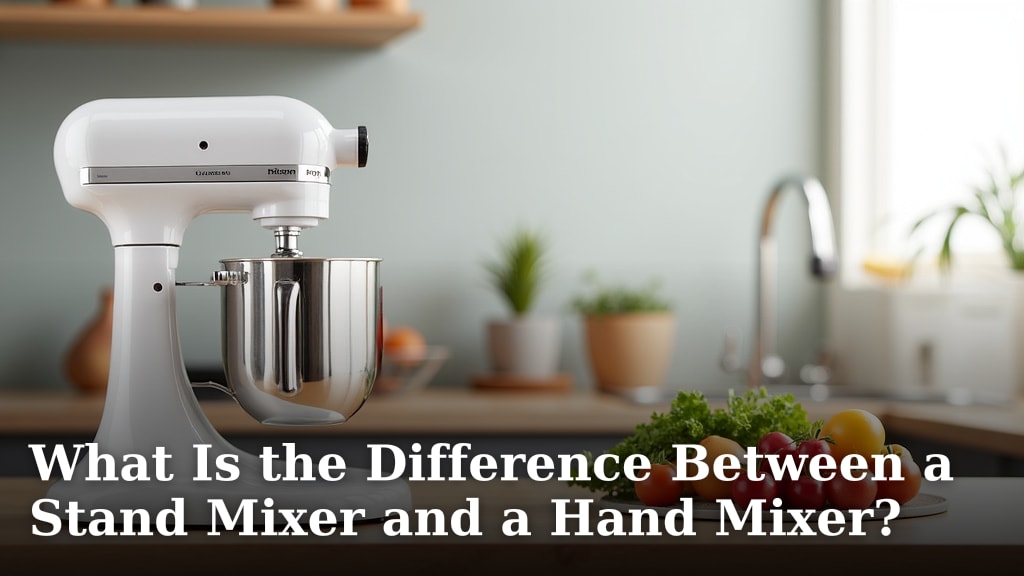
The main difference between a stand mixer and a hand mixer is their power and capacity. A stand mixer is a heavy-duty appliance with a powerful motor and a large bowl that stays in one place, while a hand mixer is a lighter, portable tool you hold yourself.
Are you confused about which mixer is right for your kitchen? We understand completely. Choosing between these two can feel tricky when you’re thinking about baking projects or everyday cooking. Both have unique benefits, but they serve very different purposes depending on your culinary needs.
- Stand mixers offer more power and capacity.
- Hand mixers are portable and great for small tasks.
- Consider your typical baking volume and counter space.
- Stand mixers are better for thick doughs; hand mixers for lighter batters.
- Think about budget and storage when making your choice.
Below, we break down exactly what makes each mixer unique and help you decide which one will best fit your cooking style.
Understanding Mixer Differences
You’re probably wondering what truly sets these kitchen workhorses apart. The simplest way to look at it is through their design, power, and how they fit into your cooking routine.
Stand Mixer Spotlight: Power and Presence
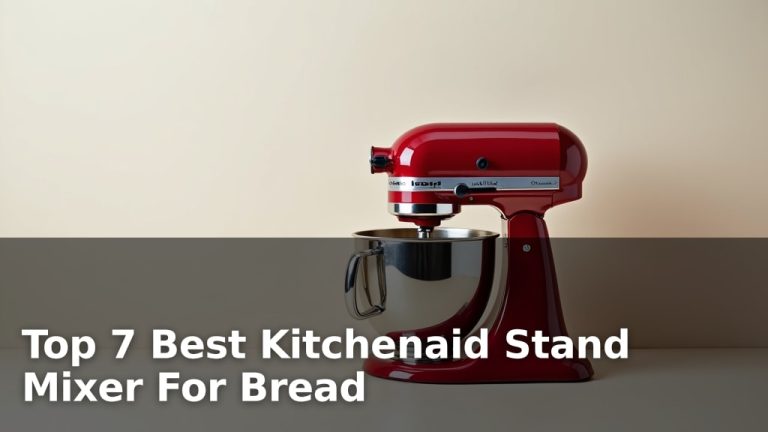
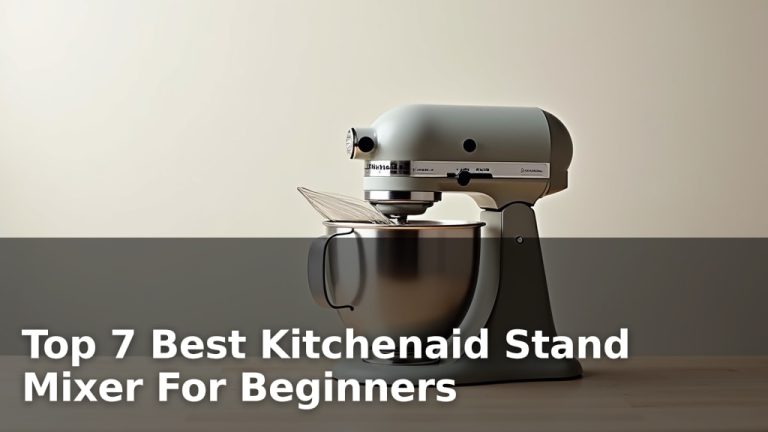
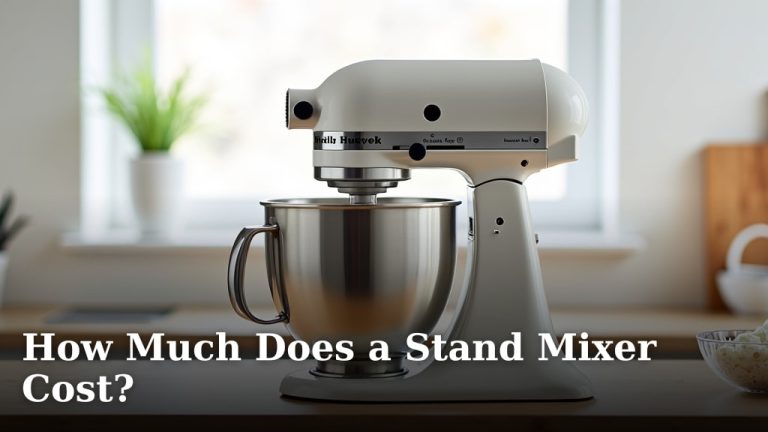
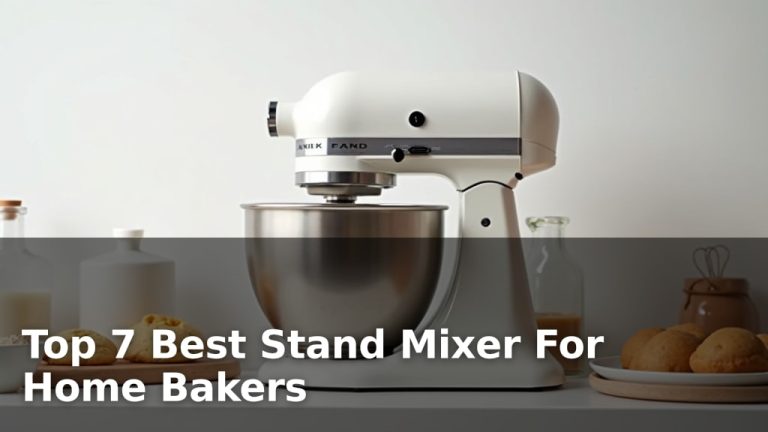
Imagine a kitchen appliance that stands firm, doing all the hard work while your hands stay free. That’s a stand mixer for you. It’s a stationary powerhouse, typically heavier and built to tackle tough jobs.
Unleashing Raw Power
Stand mixers come with seriously strong motors. We’re talking about units designed for continuous, heavy-duty mixing. This robust power is essential for tasks like kneading thick bread dough or whipping large batches of stiff meringue.
- Motor Strength: Measured in watts or horsepower, higher numbers mean more power. We found many popular models offer motors from 300 to 1000 watts.
- Gear-Driven vs. Belt-Driven: Many experts say gear-driven motors are more durable and efficient for tough tasks (Kitchn).
- Planetary Mixing Action: This unique movement allows the beater to rotate in one direction while orbiting around the bowl in the other. It ensures thorough mixing, reaching all areas of the bowl and leaving no ingredients untouched.
Capacity and Size Considerations
Stand mixers are not dainty. They feature large mixing bowls, usually ranging from 4.5 to 7 quarts, sometimes even larger. This capacity makes them perfect for doubling recipes or preparing food for a crowd.
However, their size also means they need dedicated counter space. If your kitchen is on the smaller side, this is definitely something to consider. They’re built to stay put, so tucking them away after each use might be an effort.
Attachments: The Stand Mixer’s Superpowers
This is where stand mixers truly shine beyond just mixing. Many models are designed with a power hub that allows you to connect a variety of attachments. Think pasta makers, meat grinders, spiralizers, and even ice cream makers.
These attachments can transform your stand mixer into a versatile multi-tool. It’s like having several appliances rolled into one, saving you counter space (and money) in the long run if you use them often.
Hand Mixer Highlights: Portability and Practicality
Now, let’s switch gears to the hand mixer. This little gadget is all about convenience and quick fixes. It’s light, easy to maneuver, and always ready for action.
Agile and Easy to Handle
Hand mixers are designed for you to hold. They are lightweight, typically weighing only a few pounds. This makes them incredibly easy to pull out and use for those smaller, everyday tasks.
Their compact size means they fit into even the most crowded drawers or cabinets. No need to clear counter space; just grab, mix, and store. This makes them ideal for kitchens where space is a premium.
Motor and Task Suitability
While not as powerful as their stand mixer cousins, hand mixers still pack a respectable punch. Their motors usually range from 150 to 300 watts. This is more than enough for many common kitchen tasks.
They excel at whipping cream, beating eggs, mixing cake batters, and combining sauces. We found that for things like pancake mix or cookie dough, a hand mixer gets the job done efficiently and without much fuss.
- Great for quick tasks: Need to whip up some frosting for cupcakes? A hand mixer is your go-to.
- Less intense mixing: They are not designed for very thick or stiff doughs. Trying to knead bread with a hand mixer is likely to burn out the motor or strain your arm.
Versatility for Small Batches
Hand mixers are perfect for smaller bowls and smaller quantities. You don’t always need a 5-quart capacity for a single cake mix or a small batch of whipped potatoes. This prevents you from dirtying a large bowl for a small job.
Their portability also means you can mix directly in the pot or pan you’re cooking in, reducing extra dishes. This is a huge plus for those times when you want minimal cleanup.
Key Differences at a Glance
To help visualize the split, here’s a quick comparison. It distills the main points into an easy-to-read table.
| Feature | Stand Mixer | Hand Mixer |
|---|---|---|
| Power | High (300-1000+ watts) | Moderate (150-300 watts) |
| Capacity | Large (4.5-7+ quarts) | Small to medium bowl sizes |
| Portability | Stationary, heavy | Portable, lightweight |
| Hands-Free? | Yes, once started | No, you hold it |
| Tasks Best For | Kneading dough, large batches, stiff batters | Whipping cream, beating eggs, light batters, sauces |
| Attachments | Many specialized attachments (pasta, grinder) | Basic beaters, sometimes whisk/dough hooks |
| Counter Space | Requires dedicated space | Easy to store in a drawer |
| Cost | Generally higher | Generally lower |
Choosing Your Kitchen Companion
So, which one should you invite into your kitchen? It really boils down to your cooking habits, available space, and budget. There’s no single “better” option; there’s only the right choice for you.
Think about what you bake most often. Do you tackle complex recipes with thick doughs, or are you more into whipping up quick desserts and everyday meals? Your typical cooking style plays a huge role in this decision.
When a Stand Mixer is Your Best Bet
If you’re a serious baker or cook who frequently prepares large quantities, a stand mixer is probably going to be your kitchen soulmate. It takes the effort out of demanding tasks, and its consistency is unmatched.
- You bake bread or make pasta from scratch often.
- You frequently entertain or cook for a large family.
- You love experimenting with different baking techniques.
- You have ample counter space for a permanent appliance.
- You value hands-free operation while mixing.
When a Hand Mixer is the Way to Go
For those who dabble in baking, prefer simpler recipes, or have limited space, a hand mixer is an excellent, practical choice. It’s efficient for common tasks and easy to store, making it a champion of convenience.
- You mostly make quick batters, whip cream, or beat eggs.
- Your kitchen is small, with limited counter or storage space.
- You’re on a tighter budget for kitchen appliances.
- You appreciate the ability to mix in different bowls or pots.
- You don’t often tackle very thick or heavy doughs.
Can You Have Both?
Absolutely! Many home cooks, and even seasoned chefs, opt to have both a stand mixer and a hand mixer (Food & Wine). This gives you the best of both worlds. The stand mixer handles the big, tough jobs, while the hand mixer steps in for quick, lighter mixing tasks.
This dual approach ensures you always have the right tool for the job. You won’t struggle with a hand mixer trying to knead bread, and you won’t pull out a bulky stand mixer just to whip two egg whites. It’s about efficiency and convenience.
Conclusion
Choosing between a stand mixer and a hand mixer doesn’t have to be complicated. You’ve seen that each offers distinct advantages for different kitchen tasks and lifestyles. Consider your typical baking frequency, the types of recipes you enjoy, and how much space you have available. Your perfect mixer is one that genuinely supports your culinary adventures, making cooking and baking more enjoyable.
Once you’ve weighed these factors, you can confidently select the mixer that will become your most reliable kitchen companion. Happy mixing!
Frequently Asked Questions
Can a hand mixer cream butter and sugar effectively?
Yes, a hand mixer can cream butter and sugar very effectively for most recipes. Its moderate power is usually sufficient for this common baking task, creating a light and fluffy mixture perfect for cakes and cookies.
Is it worth getting a stand mixer if I only bake occasionally?
If you bake only occasionally and for small batches, a hand mixer might be a more practical and cost-effective choice. A stand mixer is a larger investment—in terms of both money and counter space—best suited for frequent or demanding use.
Do stand mixers use a lot of electricity?
Stand mixers can have powerful motors, but they generally don’t use exceptional amounts of electricity for typical home use. They operate intermittently, and their wattage corresponds to their power for tough mixing jobs, not continuous high energy consumption.
What are some common accessories for hand mixers?
Hand mixers typically come with standard beaters for general mixing and often include whisk attachments for aeration and dough hooks for lighter doughs. These basic accessories cover a wide range of everyday baking needs.
Can I use a stand mixer to replace all my whisking needs?
While a stand mixer excels at whisking large quantities and provides a hands-free experience, a manual whisk or a hand mixer can still be better for very small amounts or delicate tasks that require precise control. It depends on the volume and specific consistency you’re aiming for.