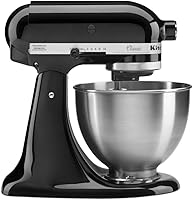
Can You Mix Dumpling Dough with a KitchenAid Dough Hook?
Yes, a KitchenAid dough hook can mix dumpling dough, especially when the batch is large enough for the hook to catch. Use low speed, stop once the dough comes together, and finish by hand if the dough stays crumbly or the mixer struggles.
On this page (8 sections)
- Can a KitchenAid dough hook work to mix dumplings?
- How do you mix dumpling dough with a stand mixer?
- When should you stop using the dough hook?
- Is a dough hook better than hand mixing dumpling dough?
- What stand mixer features matter for dumpling dough?
- Do you need a replacement dough hook?
- Can you store dumpling dough in a jar?
- What is the simplest way to decide?
Yes, a KitchenAid dough hook can mix dumpling dough, especially when the batch is large enough for the hook to catch. Use low speed, stop once the dough comes together, and finish by hand if it stays crumbly or the mixer struggles.
Dumpling dough is often firmer than cake batter and less elastic than bread dough. A stand mixer can save some hand mixing, but it doesn't remove the need to watch the dough and judge its texture.
Can a KitchenAid dough hook work to mix dumplings?
It can mix dumpling dough when the hook can gather the ingredients without straining the mixer. The hook is useful for combining flour and water and briefly working the dough into a cohesive mass.
Start at the lowest speed and add liquid gradually, following your recipe. Stop when the dough has no obvious dry flour and forms a rough ball.
It doesn't need a long bread-style knead.
Batch size matters. A small portion may spread beneath the hook instead of gathering, while a very stiff or large batch may put more load on the mixer.
Check your KitchenAid manual for dough-hook use, speed limits, and batch guidance. Models differ, so the instructions for your mixer should take priority over general advice.
How do you mix dumpling dough with a stand mixer?
Add the ingredients gradually, mix on low, and stop as soon as the dough holds together. This gives you more control than running the mixer for a fixed time.
- Fit the dough hook and add the dry ingredients to the bowl.
- Start on low speed and pour in the liquid in stages.
- Stop the mixer when the dough gathers into a rough mass.
- Check for dry patches, then press and knead briefly by hand if needed.
- Cover and rest the dough as your recipe directs.
If flour remains at the bottom, stop the mixer and scrape the bowl with the machine off. Add a small amount of liquid only if the recipe's proportions allow it.
What should the dough look and feel like?
The dough should hold together without being wet or coated in loose flour. A rough surface is normal before resting, and you can bring small cracks together by hand.
Dumpling recipes vary. Some doughs are soft and easy to roll, while others are firmer for a particular wrapper style.
Follow the recipe's texture cues instead of adding extra flour or water based only on how it looks at first.
Resting gives the flour time to absorb moisture and can make the dough easier to roll. Cover it so the surface doesn't dry while it rests.
When should you stop using the dough hook?
Stop if the mixer labors, the dough climbs the hook, or the hook spins without gathering it. Turn the mixer off before touching the dough or scraping the bowl.
A dough that remains in loose crumbs may need a little more liquid, but check the recipe before adding any. If the dough is too small for the hook to reach, press the crumbs together and finish by hand.
Don't keep mixing in hopes that a struggling hook will fix the problem. Firm dough can place more load on a mixer than softer mixtures, and prolonged mixing can make dumpling wrappers tough.
Is a dough hook better than hand mixing dumpling dough?
A dough hook is convenient for a batch it can gather, while hand mixing gives you direct control over small batches. Either method can work when you stop once the dough is combined.
For a small batch, stir the flour and liquid with a spoon or dough whisk until it becomes difficult to stir. Then use your hands to bring it together and knead briefly.
A stand mixer can be handy when you're making several portions or already have it set up. If your main goal is pasta rather than dumplings, compare the Best Stand Mixer For Pasta Dough and see whether pasta dough can be made in a stand mixer.
Would a Danish dough whisk help before kneading?
A Danish dough whisk can help combine the dry and wet ingredients before the mixture turns firm. The FUANRTK set includes 2 stainless steel whisks with oak handles and a dough scraper.
Use it for the early mixing stage, then switch to your hands when the dough becomes too stiff to stir. It won't knead the dough for you or replace a dough hook for a large batch.
What stand mixer features matter for dumpling dough?
A mixer should have a dough hook and instructions that cover dough mixing for your intended batch size. Bowl capacity alone doesn't show whether a small portion will reach the hook or a stiff batch will suit the machine.
For bread dough add-ins, see mix seeds evenly.
The Cuisinart Stand Mixer comes with a dough hook, a 5.5-quart stainless steel bowl, and 12 speed options. Those details make it one option to compare if you want a stand mixer for several kitchen tasks.
Use the lowest suitable speed and check the manual before mixing stiff dough. If you're comparing mixer options for other doughs, see Best Stand Mixer For Gnocchi Dough and Top 7 Best Stand Mixer For Pasta Making.
Do you need a replacement dough hook?
Replace a dough hook only if the one made for your mixer is missing or damaged. A hook that fits one model may not fit another, so match the replacement to your exact mixer.
For KitchenAid-specific options, see Best Replacement Dough Hook For Kitchenaid. Check the model number and attachment instructions before choosing a replacement.
A dough hook also isn't required for every dough task. For bread, compare the method in Do You Need a Dough Hook to Make Bread?.
Can you store dumpling dough in a jar?
A jar can hold dough or another prepared ingredient if its size and opening suit the amount, but it doesn't improve the mixing. Keep dough covered and follow your recipe's storage and food-safety directions.
The Weck Tulip Jars are 1-liter glass jars with glass lids, rubber gaskets, and clips. Their wide openings can make filling and washing easier, but a 1-liter jar may be larger than needed for a small dumpling dough portion.
Don't leave dough uncovered in the jar, since the surface can dry. Use the recipe's guidance for whether to rest it at room temperature or refrigerate it.
What is the simplest way to decide?
Use the dough hook for a batch it can gather, and switch to hand mixing as soon as the mixer struggles or the dough is formed. For a small portion, a spoon or Danish dough whisk followed by brief hand kneading may be simpler.
Choose a stand mixer if you make enough dough to justify setup and your model's manual permits the task. Keep the speed low, watch the dough, and avoid kneading it longer than your recipe calls for.
If your next project is dumplings, use the recipe's dough cues and rest time to guide the process. For pasta dough, start with Can You Make Pasta Dough in a Stand Mixer?.
Frequently asked questions
Can a KitchenAid dough hook mix dumpling dough?
Yes, a KitchenAid dough hook can mix dumpling dough if the batch is large enough for the hook to reach and gather it. Start on low speed and stop as soon as the dough forms a rough ball.
Small batches may sit below the hook, so finish those by hand.
Should dumpling dough be kneaded with a mixer?
A mixer can help combine flour and liquid, but dumpling dough usually needs only enough mixing to form a cohesive mass. Too much kneading can make wrappers tough or springy.
Follow the recipe's rest time, then roll and shape the dough by hand.
What mixer speed should I use for dumpling dough?
Use the lowest speed that moves the dough and brings the ingredients together. Keep the mixer nearby and stop if the dough climbs the hook, smears around the bowl, or the machine labors.
Avoid high speed because it can overwork the dough quickly.
Can I use a Danish dough whisk for dumpling dough?
Yes, a Danish dough whisk can stir flour and water together before the dough becomes too firm to mix comfortably. Then use your hands to press and knead the dough until smooth.
This gives you control over a small batch without setting up a stand mixer.