How to Store a Stand Mixer on a Swivel Base
Mixer counter swivel storage uses a rotating base to bring a stand mixer forward for use and turn it back afterward. Choose a base that supports the full load, fits the mixer footprint, and locks in place.
On this page (8 sections)
- What is mixer counter swivel storage?
- How do you choose a swivel base for a stand mixer?
- How much room does a swivel mixer need?
- How do you set up and use a swivel base?
- Should you leave attachments on the mixer?
- When does a swivel base make sense for your kitchen?
- How do you care for the base and avoid common mistakes?
- Which mixer counter swivel storage option should you choose?
Mixer counter swivel storage works best when a secured rotating base moves your stand mixer into a usable position without crowding the counter. Before choosing one, check the mixer’s footprint and weight, the platform’s load limit, and the clearance for its full turning path.
A swivel base can reduce how often you lift a heavy appliance, but it doesn’t create more counter depth. Measure the counter, nearby edges, overhead cabinets, and the mixer’s head movement first.
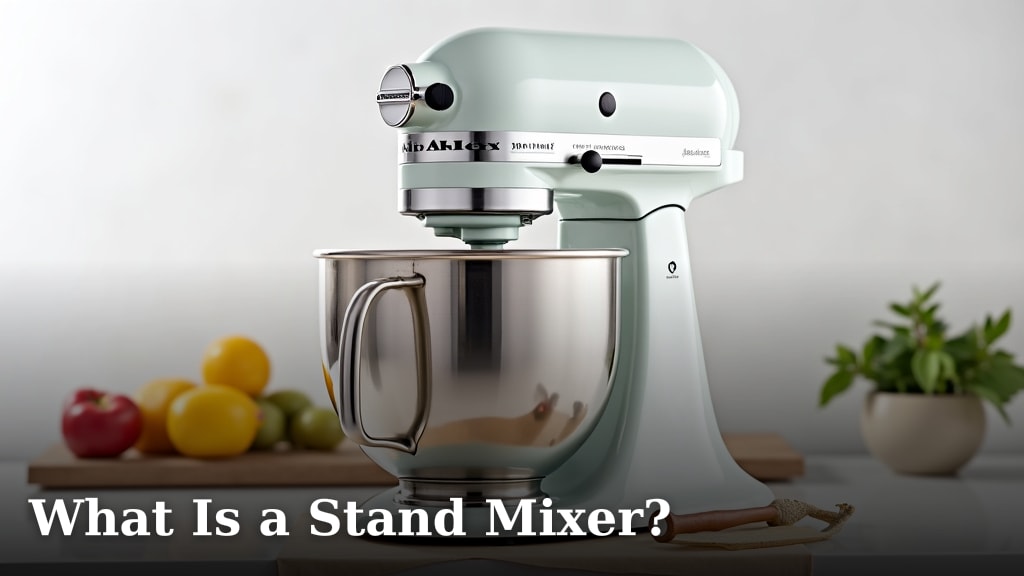
If you need an appliance primer, start with What Is a Stand Mixer?. For basic setup and operation, see How to Use a Stand Mixer?.
What is mixer counter swivel storage?
Mixer counter swivel storage keeps a stand mixer on a rotating platform so you can turn it forward for mixing and back for storage. It suits a mixer that stays on the counter but needs to move out of the way between uses.
The platform needs enough room to rotate without bumping a wall, backsplash, cabinets, handles, or other appliances. It also needs to hold the mixer steady while you work.
A swivel base is a separate accessory, so check its fit, mounting instructions, and weight guidance before buying. A platform that looks wide enough may still be too small or unstable for your mixer.
How do you choose a swivel base for a stand mixer?
Choose a base that fits the mixer footprint, carries the complete load, and has a secure way to stay in position. Check these points before placing the appliance on the platform:
- Load limit: Count the mixer, bowl, and accessories you plan to leave attached.
- Platform size: The mixer should sit centered without unstable overhang.
- Mounting method: Secure the base as its maker directs.
- Lock or stop: The platform must stay in place while the mixer runs.
- Turning path: Confirm the mixer can rotate without striking anything or pulling its cord.
Don’t rely on a friction pad alone unless the base instructions say it suits your setup. If the platform rocks, shifts, or catches, stop using it until you correct the fit or mounting.
The KitchenAid Classic Series 4.5 Quart Tilt-Head Stand Mixer weighs 22 lb. Use that as a starting point when checking the base’s capacity, then account for the bowl and any accessories.
This mixer measures 14.1 in deep, 8.7 in wide, and 13.9 in high. Measure your own mixer too, then account for the extra space needed to lift the head and access the bowl.
How much room does a swivel mixer need?
Measure the mixer’s resting footprint and the space it occupies throughout the turn. It needs to sit flat on the platform, with a clear path to move forward and back.
With the base in its resting position, measure from the back of the mixer to the counter edge. Turn the empty platform through its full path and note where the mixer will sit during use.
How much overhead clearance does a mixer counter swivel setup need?
A tilt-head mixer needs room above it for the head to lift and room around the bowl for adding ingredients. Measure from the counter to the lowest cabinet or shelf, then check the mixer’s movement in both positions.
A swivel base changes the mixer’s position across the counter, but it won’t solve low overhead clearance. Our guide to how far above the counter a stand mixer needs covers the clearance to check.
How do you set up and use a swivel base?
Install the base as directed, center the mixer, and lock the platform before switching the mixer on. Keep fingers clear of pinch points as you turn it.
- Clear and clean the counter where the base will sit.
- Secure the base according to its instructions.
- Center the mixer and confirm it sits level.
- Turn the mixer into position, checking that the cord stays clear.
- Lock or stop the platform before mixing.
- Turn the mixer off before returning it to its resting position.
Don’t turn the platform while the mixer is running or the bowl is full. Let moving parts stop first, and unplug the mixer if your setup requires it for safe movement.
A stand mixer needs a stable work surface. If the appliance shifts during mixing or the platform moves when you press a control, stop and fix the setup before using it again.
Should you leave attachments on the mixer?
**Leave an attachment in place only if it stays secure and clears the full turning path. For pasta rolling, see how to use a KitchenAid pasta roller.
For a potato recipe, see why stand mixer mashed potatoes turn gluey.** Remove anything that catches on nearby objects or makes the mixer less stable.
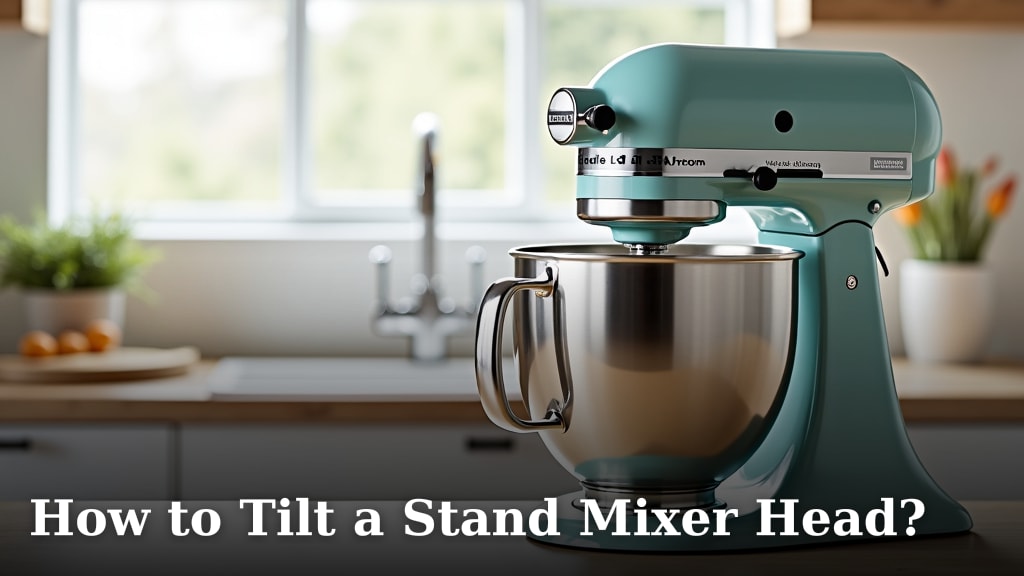
A tilt-head mixer also needs room to lift its head. See how to tilt a stand mixer head, and lower and lock the head before mixing.
The KitchenAid Ice Cream Maker Attachment fits household stand mixers 4.5 qt and larger, with model exclusions; it doesn’t fit the Artisan Mini. Its bowl and dasher are separate pieces, so plan where to store them when they aren’t attached.
The attachment makes up to 2 qt of ice cream, gelato, or sorbet in 20 to 30 minutes. Its dasher rotates inside the bowl to spread, scrape, and mix the ingredients.
If an accessory blocks movement or makes the mixer awkward to handle, remove it before turning the base. Check both the mixer and accessory instructions when in doubt.
When does a swivel base make sense for your kitchen?
A swivel base suits frequent mixer use when you have counter room for the full turn and a base that fits the appliance. It can keep a mixer reachable without leaving it in the middle of the work area.
It’s a poor fit for a narrow or crowded counter where the mixer would hit a wall, sink, or other appliance. It also won’t help if the platform can’t support the full load or can’t be secured firmly.
For a smaller counter, compare other ways to store a stand mixer on a small counter. If you prefer to put the appliance away, see how to store a stand mixer.
A hand mixer can be a better match if your regular recipes don’t need a stand mixer’s bowl or hands-free mixing. The Hamilton Beach 6-Speed Electric Hand Mixer includes a snap-on case for its beaters and whisk.
It has 6 speed options and a QuickBurst button. Its bowl rest helps stabilize the mixer on the edge of a bowl between mixing steps.
How do you care for the base and avoid common mistakes?
Keep the rotation path clear, check the base for movement, and follow its care instructions. Wipe spills promptly, and don’t lubricate or adjust the mechanism unless the instructions allow it.
Keep cords away from the platform’s moving path so they don’t loop around the base or snag as you turn the mixer. Store utensils, towels, and small items elsewhere.
Common mistakes include choosing a platform by appearance without checking its load limit, leaving the mixer off-center, and forgetting to lock the base before mixing. Another is measuring only the resting position, then discovering the mixer hits a cabinet or counter edge when turned.
Which mixer counter swivel storage option should you choose?
Choose a swivel base if your counter has room for the full movement and the base securely supports your mixer. Choose stationary counter or cabinet storage if the path is blocked or you don’t want a moving platform.
Measure the mixer, load, turning path, and overhead clearance before buying. If you mostly make smaller batches and don’t need a stand mixer, a hand mixer with a storage case may fit your routine better.
Once you’ve chosen a spot, use How to Use a Stand Mixer? to plan a stable setup within reach.
Frequently asked questions
How does a stand mixer swivel base work?
A swivel base lets you rotate a stand mixer toward the front edge of the counter for use, then move it back after mixing. The base needs to fit the mixer footprint and support its full load, and it should stay stable while you work.
Follow the base maker's instructions for mounting and locking.
Can a stand mixer stay on a swivel base?
It can stay on a swivel base if the base is made for the mixer, supports its full load, and is installed as directed. Keep the mixer centered, lock the base before mixing, and check that cords and nearby objects won't catch as you rotate it.
Don't use a loose or rocking platform.
How much counter space does a stand mixer need?
Allow enough counter depth for the mixer to sit securely, plus room to bring it forward without hitting the counter edge or nearby objects. Leave overhead clearance for the head to tilt and space around the bowl for adding ingredients.
Measure the mixer and its full movement path before choosing a swivel base.
Is a swivel base better than storing a mixer in a cabinet?
A swivel base can make a mixer easier to reach while keeping it on the counter, while cabinet storage clears the work surface. Choose based on your counter space, cabinet access, and how often you use the mixer.
Either setup needs a safe lift and enough clearance for the head and bowl.