What Is a Mini Stand Mixer Good For?
On this page (5 sections)
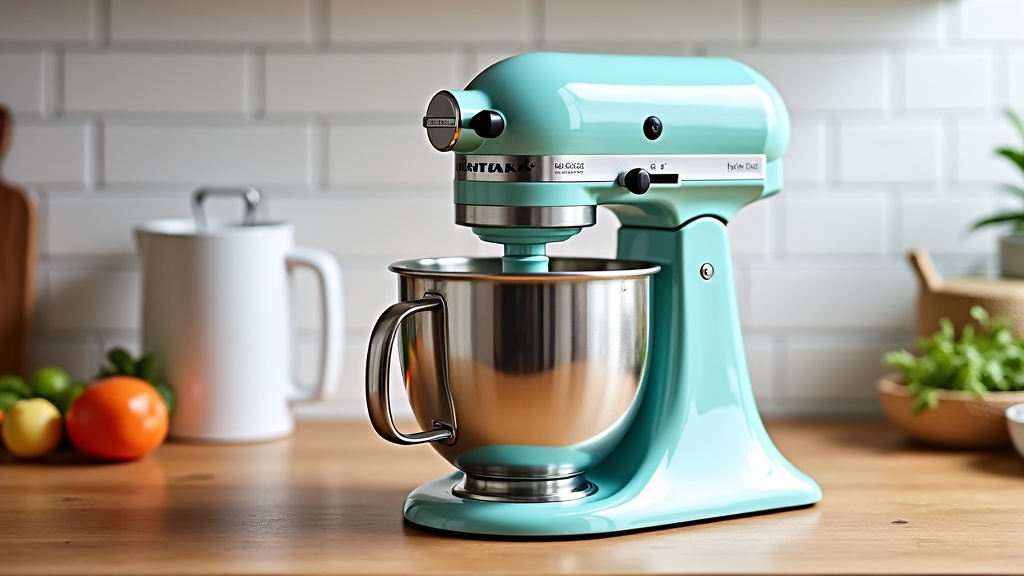
A mini stand mixer is good for small-batch baking, light mixing tasks, and kitchens with limited counter space. It is a compact, space-saving version of a full-sized mixer, perfect for quick recipes and everyday use. Think of it as your handy kitchen helper for simple, frequent tasks.
While it won’t handle massive batches of bread dough, it excels at what most people do daily. We found that many home bakers use it for making cookies, frostings, and light cake batters. It’s an affordable, easy-to-store option that gets the job done without the bulk.
- A mini mixer is ideal for small recipes like a single batch of cookies or one cake.
- It’s perfect if you have a small kitchen or limited storage for appliances.
- You can use it for lighter tasks like whipping cream or mixing pancake batter.
- It’s generally more affordable and easier to clean than a full-size model.
- It is not designed for heavy doughs or very large quantities of ingredients.
Below, we’ll explore the best uses for your mini mixer and help you decide if it’s the right tool for your kitchen and baking style.
Top Uses for Your Compact Stand Mixer
A mini stand mixer shines when you need to mix, whip, or beat ingredients for small recipes. It handles the most common kitchen tasks without taking over your countertop. Think of it as your dedicated helper for daily cooking and baking projects.
Baking Tasks It Can Handle With Ease
Your mini mixer is perfectly sized for standard home baking recipes. Most single-batch cookie doughs, cake batters, and quick breads fall right within its power range. You can mix dough for a dozen cookies or frost a layer cake without a problem.
Whipping and Aerating
One of its best skills is incorporating air. Making whipped cream, meringue, or fluffy frosting becomes effortless. Many bakers prefer using the whisk attachment on their mini mixer for this. It creates a light, airy texture that hand mixing rarely achieves.
Efficient Mixing of Batters
For batters that need consistent mixing, like pancakes, waffles, or muffins, a mini mixer is ideal. It evenly combines wet and dry ingredients without overworking the gluten. This leads to tender, consistent results every time. Research on baking science shows that proper, uniform mixing is key to good texture (King Arthur Baking).
Everyday Cooking and Meal Prep
Beyond baking, this little appliance is a huge help for daily meals. You can quickly mix up salad dressings, marinades, or even mashed potatoes for two people. It saves you from pulling out the big, heavy mixer for simple jobs.
Small-Scale Savory Dishes
Try using it to shred cooked chicken for sandwiches or mix meatballs for a small dinner. It’s also great for combining ingredients for meatloaf or stuffing. Any recipe that calls for blending or beating in a moderate quantity is a perfect fit.
Why Space and Convenience Matter
In smaller kitchens, every inch of counter space counts. A mini stand mixer typically has a footprint much smaller than a full-sized model. It can often be stored easily in a cabinet or on a deep shelf when not in use. Its lighter weight also makes it simple to move around your kitchen as needed.
| Feature | Mini Stand Mixer | Full-Size Stand Mixer |
|---|---|---|
| Typical Capacity | 1 to 3 quarts | 5 to 8 quarts |
| Best For | 1-2 dozen cookies, 1 cake, light doughs | Large batches, heavy bread doughs, double recipes |
| Counter Footprint | Smaller, easier to store | Larger, often needs dedicated space |
| Weight | Lighter, easier to handle | Heavier, more stable for tough jobs |
| Price Range | Generally more affordable | Investment purchase |
Ideal Tasks and Recipes for a Mini Mixer
Knowing what to put in your mini mixer helps you get the most out of it. Here are the specific jobs where it performs best. You’ll find yourself reaching for it more often than you think.
- Whipping Cream: Stabilized whipped cream for desserts and drinks.
- Cookie Dough: Standard batches of chocolate chip, oatmeal, or sugar cookies.
- Single-Layer Cake Batter: Enough batter for one 8 or 9-inch round cake.
- Frosting and Icings: Buttercream, cream cheese frosting, or royal icing.
- Quick Breads: Banana bread or zucchini bread batter.
- Egg Whites: For meringues or light, fluffy omelets.
Limitations: What It’s Not Designed For
Being realistic helps you love your mixer for what it is. We found that attempting very thick, heavy doughs is a common cause of frustration. A mini motor isn’t built to knead large quantities of stiff bread dough. It can overheat or struggle with dense mixtures.
Large-Batch and Heavy-Duty Work
If you’re making several dozen cookies at once or a double batch of holiday bread dough, a full-size mixer is the better tool. The mini mixer’s bowl and motor simply aren’t engineered for that level of strain. It’s about matching the right tool to the job.
Who Benefits Most from a Mini Model?
Many users we researched found this appliance perfect for specific lifestyles. It’s not just for tiny kitchens; it’s about convenience for smaller-scale cooking.
- Apartment Dwellers: Where counter and storage space is at a premium.
- Couples or Small Households: Cooking for two to four people regularly.
- Baking Beginners: An affordable, less intimidating way to start.
- Light-Use Bakers: Those who bake occasionally, not multiple times a week.
- Supplementary Tool: For someone who already owns a full-size mixer but wants a second, smaller one for quick jobs.
Making the Most of Your Mini Mixer
To get great results, a few simple practices go a long way. Always start mixing on a low speed to prevent ingredients from splattering. Scrape down the sides of the bowl with a spatula halfway through mixing. This ensures everything gets evenly incorporated.
Attachment Tips and Tricks
Your mini mixer likely comes with a flat beater, a dough hook, and a wire whip. Use the flat beater for most cookie doughs, frostings, and batters. The wire whip is your go-to for aerating eggs, cream, and meringues. The dough hook can handle very light, soft doughs like for pizza or dinner rolls, but work in small amounts.
Is It Worth It? A Quick Checklist
Deciding is easier when you ask the right questions. Run through this checklist to see if a mini mixer fits your needs.
- Do you often make recipes that serve 2-4 people?
- Is your kitchen counter or storage space very limited?
- Do you bake cookies, cakes, or frostings more than bread?
- Are you looking for a more affordable first stand mixer?
- Do you want an appliance that is quick to set up and clean?
- Is your primary mixing task whipping or blending light batters?
If you answered “yes” to several of these, a mini stand mixer could be an excellent addition to your kitchen. It fills a specific niche with efficiency and ease. It won’t replace a heavy-duty mixer, but it will handle your daily tasks with a smile.
Conclusion
So, is a mini stand mixer right for you? It’s an excellent choice if you value counter space and convenience over high-volume capacity. You’ve seen it shines for small-batch baking, everyday cooking, and quick mixing tasks. It won’t replace a heavy-duty mixer for big projects, but it becomes a trusty sidekick for daily use. We recommend taking that checklist from the article and matching it to your habits. If you often bake for a small household or need to save space, a mini mixer could be the perfect, practical tool to streamline your kitchen workflow.
Frequently Asked Questions
Can a mini stand mixer handle bread dough?
It can manage very small, soft doughs like a few dinner rolls or a personal pizza. For standard or dense bread dough, it will likely struggle and overheat. We found it’s not designed for kneading large quantities of stiff dough.
How does it differ from a powerful hand mixer?
A mini stand mixer offers hands-free operation, letting you multitask in the kitchen. It often provides more consistent whipping and mixing with less effort. However, a powerful hand mixer might be more versatile for very small tasks and easier to store in a drawer.
Is it easy to store when not in use?
Absolutely. Its compact footprint and lighter weight make it simple to tuck into a cabinet or onto a shelf. Many users keep it on the counter without it feeling bulky, which is a major perk for small kitchens.
What should I clean first after using it?
We recommend immediately rinsing the attachments and bowl after use. This prevents sticky ingredients like frosting or batter from drying and hardening, making cleanup much easier. Most attachments are also top-rack dishwasher safe.
Is a mini mixer a good first stand mixer for a beginner?
Yes, it’s often a fantastic starting point. It’s less intimidating, more affordable, and handles all the essential recipes a beginner would want to try. It helps you learn without a large investment or commitment.