How to Choose a Commercial Pasta Extruder
Choose a commercial pasta extruder by matching its output to your busiest service, confirming the dies make the shapes you sell, and checking how each part must be cleaned. A larger machine only helps if you have the space, power and staff workflow to support it.
On this page (7 sections)
Choose a commercial pasta extruder machine by matching its output to your busiest service, confirming the dies make the shapes you sell, and checking how each part must be cleaned. A machine that fits your real production window is more useful than one selected by size alone.
Before comparing models, estimate how many portions you need during your busiest hour and how much prep can happen before service. Also measure the available counter or floor space and check what power supply the machine requires.
A commercial machine is a different buying decision from a home pasta maker machine. Home equipment can help with small batches, while restaurant service needs a clear plan for output, cleaning and backup.
How much pasta does your kitchen need to make?
Choose capacity for your peak production window, not the average number of portions sold in a day. A lunch rush that needs 40 portions in an hour creates a different requirement from a kitchen that prepares the same amount over several hours.
Start by recording the number of portions you sell by shape and service period. Note which pasta can be prepared ahead and which must be extruded close to cooking time.
Ask manufacturers or dealers to state output in a useful way, such as pounds or kilograms per hour with a specified dough recipe. Check whether that figure includes loading, die changes and pauses, since a headline production rate may not describe your full workflow.
Think through the batch cycle as well as the hourly number:
- How much dough fits in the hopper or mixing chamber?
- How long does mixing and extrusion take for your recipe?
- How often will staff need to reload it?
- How much time does switching to another shape add?
- Can your team keep up with cutting, portioning and cooking?
Allow room for peak demand, but avoid buying capacity you cannot use. A larger machine can take more floor space and may require more cleaning and setup after service.
For a home-scale comparison, best automatic pasta maker options are designed around domestic use. They can help you understand what automation offers, but their capacity does not guarantee suitability for a restaurant.
Which pasta shapes and dies should you check?
Choose a machine whose available dies cover your current menu and can support the shapes you have a real reason to add. Confirm that the dies fit the exact machine model before you plan a menu around them.
List the shapes you sell most often, then match each one to a die the supplier can provide. Ask whether dies come with the machine, how much they cost separately, and how quickly replacements can be obtained.
Die material and surface can affect the pasta's look and texture. If you want a rougher surface, compare the options in our guide to a pasta extruder with bronze dies.
Check how the machine handles a change between shapes. A quick die swap can matter during a busy prep period, but only if the parts can be removed and cleaned safely without disrupting the rest of the line.
Ask about these details before buying:
- Which shapes are included with the machine?
- Which additional dies are compatible?
- Are dies made for the dough recipes you plan to use?
- How are dies cleaned and dried?
- Are wear parts or replacement dies available locally?
Buy for the menu you serve, not for the largest possible die collection. An unusual shape can add variety, but it also adds inventory and may need staff practice.
What cleaning work will the machine add?
Choose a machine whose cleaning steps fit your closing routine and local food-safety procedures. Cleaning time affects labor, and hard-to-reach dough residue can slow a changeover between recipes.
Ask for the manufacturer's written cleaning instructions before you place an order. Confirm which parts detach, whether water is allowed, what needs to dry before reassembly, and whether tools are needed to clear the dies.
Don't assume that every part can go in a dishwasher or soak in water. Cleaning requirements differ by design, so staff should have model-specific instructions at the machine.
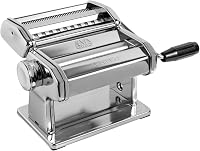
A manual pasta roller can show how cleaning needs vary across equipment. The MARCATO Atlas150 Manual Pasta Maker Machine-LASAGNA is not a commercial extruder, and its instructions call for leaving it to dry before brushing away dough residue; it is not dishwasher safe.
Consider assigning a cleaning owner and a short checklist for each shift. Include the die, auger, mixing chamber, guards and any removable parts named in the manual.
Ask for a cleaning demonstration before buying if you cannot tell how the machine opens or how the dies are cleared. This is especially useful when several shapes will be made on the same day.
Where will the extruder fit in your kitchen?
Measure the machine's full working footprint, including space for loading dough, collecting pasta and opening panels for cleaning. A machine can fit on paper and still obstruct a prep station or leave no room for staff to work.
Record the counter or floor area, nearby equipment, access to power and the route for moving the machine into place. Ask the supplier for operating and service clearances, plus the machine's weight and installation needs.
Plan where ingredients, dough tubs and finished pasta will sit during production.
Commercial pasta drying racks can provide a place for fresh output. If staff have to cross a hot line or pass through a crowded aisle to collect fresh pasta, the location can create needless delays.
A restaurant making dough and pasta on the same line may also compare its mixer needs. Our guides to what a commercial stand mixer is and the best commercial stand mixer for a bakery cover equipment used for mixing and dough preparation.
Which product scale fits your operation?
Choose equipment based on the work it is built to support. The examples below are home pasta makers, so they can be useful for small batches or practice, but their listed features do not guarantee commercial output.
For a home pasta-press method, see a KitchenAid pasta press recipe.
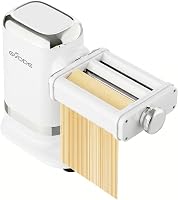
Philips 7000 Series Pasta Maker for automated home batches
The Philips 7000 Series Pasta Maker is an automatic home machine with 8 discs and capacity for up to 8 portions in one go. Philips says it can prepare pasta in under 10 minutes, and its parts are dishwasher safe.
The HomeID app offers step-by-step recipe guidance, including vegan and gluten-free options. Its automatic operation and mixing function may suit a small test batch or home kitchen routine.
Choose it for home-scale convenience, not as a substitute for verifying commercial throughput. For more details, read our Philips 7000 Series pasta maker review.
MARCATO Atlas150 for manual sheets and cuts
The MARCATO Atlas150 is a manual roller and cutter that makes lasagna, fettuccine and tagliolini. It has 10 thickness settings and makes sheets up to 150 mm wide.
The Atlas150 requires staff to feed and turn the dough, so production depends on the operator and the number of machines in use. Its parts are not dishwasher safe; let dough dry before brushing residue away.
Consider it for occasional small batches or menu development, not continuous restaurant production. For a machine built around extrusion, compare dedicated options in our best pasta extruder machine guide.
Sailnovo 3-in-1 Pasta Maker for manual practice
The Sailnovo 3-in-1 Pasta Maker is a manual roller with 9 thickness settings and cutters for 2.0 mm and 4.5 mm widths. It is intended for making pasta sheets and cuts rather than extruding through commercial dies.
Its cleaning guidance says not to wash the blade attachment in water or a dishwasher; use a brush or wooden stick to remove dough. That requirement is worth considering if you need fast, repeated changeovers.
Choose it for home use or small-scale practice, not a restaurant line that needs steady output.
What should you confirm with a supplier?
Confirm rated output, compatible dies, cleaning instructions and service support in writing before placing an order. These details help you compare machines on the work they can do in your kitchen.
Use this checklist during a supplier conversation:
- What output can the machine sustain with the dough recipe we plan to use?
- What batch size, staff steps and pauses are included in that output estimate?
- Which dies are included, and which compatible dies can be ordered?
- How long does a die change take, and what cleaning does it require?
- What are the machine's dimensions, weight, electrical needs and clearance requirements?
- Who provides setup, training, parts and repairs in our area?
- What cleaning and food-safety instructions apply to every removable part?
Ask for a demonstration with a dough similar to yours if the supplier can provide one. A demonstration can show the feed, cut and cleanup steps, while written output figures help you compare models consistently.
How should you make the final choice?
Choose a commercial pasta extruder machine by starting with peak portions per hour, then confirm that its dies, cleaning process and footprint support your menu and staff. Get expected output and service details from the supplier before committing.
Pick a larger commercial unit when steady volume justifies its space and operating needs. Pick a smaller setup when production is limited and staff can manage the manual work.
For a home pasta maker comparison, see the complete pasta makers buying guide. If your kitchen also makes bread dough, our Zojirushi Supreme vs Virtuoso comparison explains a separate appliance choice for bread production.
Frequently asked questions
What should I look for in a commercial pasta extruder machine?
Match the machine's stated output to your busiest production window, then check its die range, cleaning process, footprint and power needs. Ask the supplier for output under your dough recipe and the setup time between shapes.
Confirm parts and service support before relying on the machine for regular service.
Is an extruder better than a pasta roller for a restaurant?
An extruder presses dough through a die to form shapes such as tubes, while a roller makes sheets that can be cut or filled. The better fit depends on your menu, staff skills and volume.
If you sell mostly sheets or filled pasta, a roller may fit your workflow better.
How many pasta dies does a commercial machine need?
Choose dies for the shapes you actually sell, plus any menu additions you have planned. Ask whether the dies are included or sold separately, and whether they fit the exact machine model.
A long die list has little value if the shapes are hard to clean or rarely ordered.
How do you clean a commercial pasta extruder?
Follow the machine maker's cleaning instructions for the body, auger and each die. Some parts may need dry brushing or soaking, while others may be dishwasher safe; do not assume the methods are interchangeable.
Ask how long routine cleaning takes and whether the parts can be removed without tools.
Can a home pasta maker handle restaurant production?
A home pasta maker may suit a small batch or occasional service, but its stated capacity and workflow may not match steady restaurant demand. Compare output per batch, time to reload, die options and cleaning time against your peak service.
Get commercial output expectations from the manufacturer before choosing.