How to Choose a Pasta Extruder with Bronze Dies
Choose a pasta extruder with bronze dies only if the machine accepts the die format you want and you can make firm, crumbly extrusion dough. Bronze dies shape pasta with a textured surface, but compatibility, dough moisture and cleaning matter as much as the die material.
On this page (6 sections)
A pasta extruder with bronze dies is a good fit if you want shaped pasta with a textured surface and can match the die to your machine. Check the extruder’s die format, dough guidance and cleaning instructions before you buy.
Bronze describes the die material, not a universal fitting standard. A die made for one extruder may not fit another, even if both machines make similar pasta shapes.
If you are still deciding between an extruder and a roller, start with our pasta maker machine buying guide. For broader options, see the best automatic pasta maker guide.
How does a bronze die change pasta?
A bronze die shapes pasta and can leave it with a rougher, more textured surface than a smooth die. That surface can help sauce cling, while the die’s openings determine the pasta shape.
Texture alone does not tell you which die to buy. Match the shape to the dishes you plan to cook, then verify that the die is made for your exact extruder model.
The phrase “bronze die pasta extruder” can refer to a machine sold with bronze dies or to an extruder that accepts separately purchased dies. Confirm which applies before comparing machines.
How do you check bronze die compatibility?
Check the machine model and die specifications together. Confirm the die’s fit, attachment method and supported shapes against the extruder maker’s compatibility details.
Before ordering, check:
- The exact extruder model and version
- Die diameter and thickness, if given
- How the die locks into place
- Whether the die is included or sold separately
- Which pasta shapes the extruder supports
A die that fits physically may still be unsuitable if its openings or attachment do not match the machine. If compatibility information is unclear, ask the manufacturer or seller to confirm it before you buy.
Home machines and commercial equipment may use different die systems. If you are considering larger equipment, our guide to a commercial pasta extruder machine covers the questions that matter for that kind of setup.
What dough does an extruder need?
Extruder dough should follow the recipe and texture guidance for your machine. For one example, see how to make pasta dough for a KitchenAid pasta press.
It is generally firmer and more crumbly than dough made for rolling into sheets, because it needs to feed through the die without turning sticky.
Add liquid gradually if your machine’s recipe calls for it. Dough that is too wet can smear or clog; dough that is too dry may not hold together as it feeds.
Use the maker’s method for adjusting a batch rather than relying on a single flour-to-water ratio for every machine.
If you already own a roller-style machine, the dough method may differ. Our guide to the best stand mixer for pasta dough explains what to consider when mixing dough before shaping it.
Which machine style suits your pasta plans?
Choose an extruder if you want to press dough through shaping dies. Choose a roller if you mainly want sheets for lasagna or cut noodles.
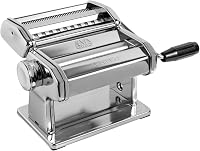
A roller machine does not become an extruder just because you can add cutters or attachments. If you prefer a roller-and-cutter setup, the MARCATO Atlas150 Manual Pasta Maker Machine-LASAGNA can help you compare manual extruder options with other pasta machine styles.
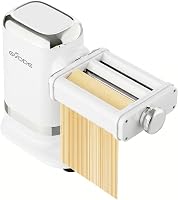
For an automatic machine, compare how it mixes and shapes dough, how many shapes it supports and what parts need cleaning. Our best pasta extruder machine guide compares machines by those practical differences.
How should you clean and store bronze dies?
Follow the cleaning instructions for the die and machine, and clear dried dough before storage. Small openings can trap residue, so a dry brush or purpose-made tool is often easier to control than water.
Let dough dry if the maker recommends it, then brush away residue. Avoid soaking a die unless its instructions say that is safe, and check that every opening is clear before putting it away.
Some machines have removable parts designed for dishwasher cleaning, while others require dry cleaning. Do not assume that care instructions for the machine body also apply to its dies.
If your machine is a Philips model, see how to use a Philips pasta maker for help with its workflow and parts.
What should you decide before buying?
Choose a bronze die extruder when you have a specific pasta shape in mind and have confirmed that the die fits the machine. If you value rolled sheets or cut noodles more, a roller machine may suit your routine better.
Check these points before buying:
- Shape: Pick a die for pasta you expect to make often.
- Fit: Verify exact model compatibility and attachment details.
- Dough: Make sure you can follow the machine’s extrusion recipe.
- Cleaning: Check how the die openings and machine parts should be cleared.
- Included parts: Confirm which dies come with the machine and which are separate.
For a bronze die pasta extruder, start with compatibility and cleaning, then consider the texture and shapes you want. Choose a roller if sheets and cut noodles are your priority, and use the Philips pasta maker guide if you are comparing that machine’s disc-based approach.
Frequently asked questions
Do bronze dies fit every pasta extruder?
No. A bronze die must match the extruder's diameter, thickness, locking method and model compatibility.
Check the machine maker's supported accessories before buying, and confirm whether a die is included or sold separately.
A die that looks close may not seat safely or shape pasta properly.
What does a bronze die do to pasta?
A bronze die shapes pasta and can leave a rougher surface than a smoother die. That texture may help sauce cling, but the result also depends on the dough and the die's shape.
Choose a die by pasta style and confirm it fits your specific extruder.
What dough works in a pasta extruder?
Extruder dough is usually firmer and more crumbly than dough rolled into sheets, so it can feed through the die without becoming sticky. Follow the machine's recipe and add liquid gradually.
If the dough smears, clogs or presses into a dense lump, stop and adjust it as directed.
How do you clean bronze pasta dies?
Let dough residue dry, then brush it out with a dry brush or the tool recommended by the maker. Avoid soaking a die unless its instructions allow it, since water can leave dough lodged in small openings.
Clear every hole before storing the die.