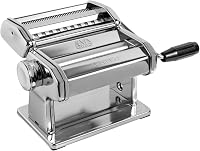
Pasta Makers: A Complete Buying Guide
A pasta maker machine should match how you want to roll and shape dough: choose a manual roller for manual control, a motor or stand mixer attachment to free a hand, or an automatic machine to mix and extrude. Check the pasta shapes, adjustments, setup and cleanup before buying.
On this page (10 sections)
- What kinds of pasta maker machines can you buy?
- How do you choose between a manual and electric pasta roller?
- Should you buy a stand mixer pasta attachment?
- Which settings and pasta shapes matter most?
- What should you look for in a pasta maker machine?
- Which pasta maker machine fits these buying needs?
- How do you clean and store a pasta machine?
- Do you need a pasta drying rack or microwave cooker?
- Explore pasta makers by topic
- How should you choose your pasta maker machine?
A pasta maker machine helps you roll dough into sheets or shape it into noodles, but the right style depends on how much work you want to do by hand. Manual rollers offer direct control, powered rollers reduce cranking, stand mixer attachments use a mixer you already own, and automatic machines mix and extrude dough.
For most home cooks, the first choice is whether you want to guide and feed dough yourself. Then compare the included shapes, thickness adjustments, counter setup and cleaning instructions.
What kinds of pasta maker machines can you buy?
Pasta maker machines fall into four main groups: manual rollers, powered rollers, stand mixer attachments and automatic machines. Pick the type based on how involved you want to be in rolling and shaping each batch.
| Type | What it does | Best fit |
|---|---|---|
| Manual roller | Uses a hand crank to roll dough into sheets and, depending on the cutters, noodles | Occasional batches and manual control |
| Powered roller | Uses a compatible motor to turn the rollers | Frequent rolling or a free hand for guiding dough |
| Stand mixer attachment | Connects pasta tools to a compatible stand mixer | Kitchens with a suitable mixer already on the counter |
| Automatic machine | Mixes dough and extrudes pasta through a shape die | Cooks who want the machine to handle more steps |
A manual roller usually needs a clamp or steady base and room to feed a sheet through. Some include cutters; others need separate accessories for shapes beyond the included rollers.
Powered rollers are not all interchangeable. Confirm that a motor is designed for your machine, and check whether you can use it with the accessory you want.
Stand mixer attachments are specific to a mixer brand or model range. An attachment can save storage space if you already have the mixer, but it still needs a compatible connection and a place to feed the dough.
Automatic machines follow a different process from rollers. They mix ingredients and press the dough through a die, so compare their recipes, included shapes and cleaning steps separately from roller machines.
Which pasta maker machine types are manual?
Manual machines include hand-cranked rollers and some handheld tools. The crank gives you control over the dough's pace, while you manage feeding, catching and moving the sheet.
A basic roller turns dough into flat sheets, often with one or more built-in cutters. A handheld pasta maker is smaller in concept and may focus on a narrower task, so inspect the tool's intended shapes before buying.
If you're new to cranking and feeding dough, our guide to how to use a manual pasta maker explains the process. A best manual pasta maker comparison can help you look at specific roller styles.
How do you choose between a manual and electric pasta roller?
Choose a manual roller when you want simple, direct control; consider a powered roller when cranking is the part you want to reduce. A motor changes how the rollers turn, not which shapes the machine can make.
A manual machine needs you to turn the handle at a steady pace and guide the dough with your other hand. This can be manageable for small batches, but rolling a long sheet may be easier with another person helping.
A motor can keep the rollers turning while you use both hands to guide and catch the dough. Before choosing one, confirm the motor fits the machine and whether it works with the attachments you plan to use.
The pasta machine motor guide covers motor selection, and our best electric pasta roller machine roundup compares powered options. For a specific roller with a separately available motor, see how to use the Marcato Atlas 150 pasta machine.
Should you buy a stand mixer pasta attachment?
A stand mixer attachment makes sense if you already own a compatible mixer and want to use its motor for pasta rolling or cutting. Check compatibility and included tools before assuming an attachment will work with your mixer.
Attachments can suit a kitchen where the mixer has a permanent or easy-to-reach spot. You may not need a separate crank machine, but the mixer and attachment still take up counter or storage space.
Different attachments handle different tasks. Some roll sheets, some cut noodles, and others shape filled or specialty pasta.
For hand-shaped gnocchi, a gnocchi board can add ridges.
Read the shape and compatibility details, then compare the cost and space with a dedicated machine.
Our how to use a pasta attachment on a stand mixer guide covers setup, while best stand mixer attachment for pasta making compares options.
Which settings and pasta shapes matter most?
The useful settings are the ones that match the pasta you plan to cook. Check the thickness range, cutter widths and included attachments, rather than choosing by a large setting count alone.
Roller thickness adjustments let you move from a thicker sheet toward a thinner one. The exact range varies, so compare the machine's published settings with the dough and pasta recipes you plan to use.
Built-in cutters may handle common noodle shapes, while accessories can add other options. A pasta cutter wheel is another way to cut dough by hand.
Confirm whether a named shape comes from the box or requires a separate attachment.
For filled pasta, a sheet roller alone is not enough to form and seal each piece. A compatible ravioli attachment or mold can help shape filled pasta; see our best ravioli molds and cutters guide.
The best Marcato Atlas 150 attachments roundup covers add-ons for that machine family. If you want a stainless steel body, compare the details in our best stainless steel pasta maker guide.
Which pasta maker machines suit beginners and children?
A simple manual roller can be a good way to learn how dough changes as it passes through thinner settings. For children, plan adult supervision around the crank, rollers and cutting parts, and choose an activity that fits their age and coordination.
A child can help measure or mix dough before an adult handles the machine. Keep fingers away from moving rollers and cutters, and follow the manufacturer's safety and setup instructions.
Our best pasta maker for kids guide focuses on family use. For a compact tool, compare the best handheld pasta maker options and check which shapes they can make.
What should you look for in a pasta maker machine?
Look for a machine that fits your batch size, counter setup and cleanup habits. The best match has the shapes you want and a workflow you can repeat comfortably.
Consider these questions before you buy:
- How much pasta will you make? A small roller may suit occasional dinners, while frequent batches may justify a motor or mixer attachment.
- What shapes do you cook? Match built-in cutters and available accessories to the pasta your household actually eats.
- Where will you use it? Check whether the machine clamps to a suitable counter or needs a stable work surface.
- How will you store it? Measure shelf space for the machine, handle, clamp and any attachments.
- How do you clean it? Many rollers use dry cleaning methods. Check the instructions before using water.
- Can you get the accessories you want? Confirm compatibility and availability for the specific machine model.
A machine with many settings is not automatically a better fit. If you only make lasagna sheets, extra cutters may add cost and storage needs without helping your routine.
Our best pasta making tools guide covers useful companions, including tools for cutting and shaping. A best pasta drying rack can help keep fresh noodles separated before cooking.
For a fold-away option, see collapsible pasta drying racks.
Which pasta maker machine fits these buying needs?
These four products show different ways to roll, cut or shape pasta at home. Choose by the included tools and the kind of work you want the machine to do.
CucinaPro Pasta Maker Deluxe Set- Stainless Steel
The CucinaPro set is a manual machine with a hand crank, table clamp, cleaning brush and three attachments. Its attachments make lasagnette, fettuccine, angel hair, spaghetti or ravioli, and the roller adjusts for different sheet thicknesses.
The set suits a cook who wants multiple shapes in one package. Check that its clamp fits your counter and that the included cutters match the pasta you plan to make.
MARCATO Atlas150 Manual Pasta Maker Machine-LASAGNA
The Marcato Atlas150 is a manual roller with a hand crank and 10 settings. It makes sheets up to 150 mm wide, with listed thickness adjustments from 0.8 to 4.8 mm.
The machine makes lasagna, fettuccine and tagliolini; other shapes can require separately available accessories. Marcato says the machine is not dishwasher safe and recommends letting residue dry before brushing it away.
Marcato Ravioli 150 Attachment for Atlas
This attachment forms and cuts ravioli when used with a compatible Atlas 150 pasta machine. It is a separate tool, so make sure you already have the machine it fits.
Marcato advises cleaning the attachment with a brush or wooden rod, not water or a dishwasher. The attachment is not intended for use with a motor.
Sailnovo 3-in-1 Pasta Maker with 9-Setting Pasta
The Sailnovo is a manual roller with nine thickness settings and cutters for two widths, 2.0 mm and 4.5 mm. It includes a clamp and an English manual.
Sailnovo recommends a brush or wooden stick for dough residue and says not to wash the blade attachment in water or a dishwasher. Check the included shapes and cleaning method against your routine before choosing it.
How do you clean and store a pasta machine?
Clean a pasta machine according to its care instructions, which often means brushing away dry dough instead of washing the machine. Do not assume a roller or attachment is dishwasher safe.
Let dough residue dry if the instructions call for it, then use the recommended brush or wooden tool. Avoid forcing dough into the rollers or using water on parts that should stay dry.
Store the crank, clamp and cutters together so the machine is ready for the next batch. If you buy separate attachments, label or group them by machine model to avoid mixing incompatible parts.
Do you need a pasta drying rack or microwave cooker?
A drying rack can help separate long fresh noodles, while a microwave pasta cooker is a separate cooking tool rather than a machine for making dough. Choose either accessory only if it solves a step in your own pasta routine.
A rack may be useful when you prepare noodles ahead or need to keep strands from sticking together. Compare its footprint with your counter and storage space in our best pasta drying rack guide.
Microwave pasta cookers cook pasta rather than roll or cut fresh dough. If you want one for quick meals or reheating, see our best pasta maker for microwave guide to microwave pasta cookers.
Explore pasta makers by topic
- Best Handheld Pasta Makers
- Best Manual Pasta Makers
- How to Choose a Motor for a Pasta Machine
- Best Electric Pasta Rollers
- Best Marcato Atlas 150 Attachments
- Best Automatic Pasta Makers
- Best Ravioli Molds and Cutters
- Best Pasta Making Tools
- Best Microwave Pasta Cookers
How should you choose your pasta maker machine?
Choose a manual roller for direct control and occasional batches, a powered roller if you want help turning the crank, and a stand mixer attachment if you already have a compatible mixer. Pick an automatic machine when you want it to mix and extrude dough, then check its recipes, shapes and cleanup steps.
Before you buy, confirm the included cutters, adjustment range, counter fit and cleaning method. If filled pasta is your goal, choose a compatible ravioli tool; if simple flat sheets are enough, a basic roller may cover your needs.
Frequently asked questions
What type of pasta maker is easiest to use?
The easiest type depends on which step you want to handle yourself. A manual roller needs you to turn a crank and guide the dough, while a compatible motor or stand mixer attachment can reduce that effort.
An automatic machine mixes and extrudes, but you still need to follow its recipe and cleaning steps.
Is a manual or electric pasta maker better?
A manual pasta maker suits occasional batches and cooks who want direct control over rolling. An electric roller or compatible motor can help if you make pasta often or want a free hand to guide the sheet.
Compare the machine's supported attachments and shapes before choosing.
Can one pasta machine make different pasta shapes?
Many roller machines make flat sheets and one or more cut shapes, while compatible attachments can add other shapes. Check exactly which cutters or accessories come with the machine, and which are sold separately.
The word “pasta maker” alone does not tell you which shapes it can produce.
How do you clean a pasta maker?
Let dough residue dry, then remove it with a dry brush or wooden tool if the maker's instructions call for that method. Several machines and attachments should not be washed with water or put in a dishwasher.
Follow the specific care instructions for the machine and each accessory.
Do you need a pasta drying rack?
A drying rack helps keep long fresh noodles separated while they dry, but it is optional if you cook them right away or have another clean way to lay them out. Choose one that fits your counter space and the amount of pasta you typically make.