How to Use a Springform Cake Pan
To use a springform cake pan, lock the ring around the removable base, grease and line it, add thick cake batter, then cool the cake before releasing the latch. Check the seal for leaks before baking.
On this page (9 sections)
- How do you prepare a springform pan for cake?
- How do you fill a springform cake pan?
- How do you prevent a springform pan from leaking?
- How should you bake a cake in a springform pan?
- How do you cool and release the cake?
- Which springform size should you choose?
- How should you clean a springform cake pan?
- What else can you bake in a springform pan?
- What is the right way to use a springform cake pan?
To use a springform cake pan, lock the ring around the removable base, grease and line it, add thick cake batter, then cool the cake before releasing the latch. Check the seal for leaks before baking.
A springform pan has a round base and a side ring opened by a latch. That design lets you lift away the side instead of turning the finished cake upside down.
How do you prepare a springform pan for cake?
Lock the ring tightly around the base, then grease the base and sides before adding batter. A parchment circle on the bottom gives the cake another layer of release protection.
Set the pan on a flat counter. Open the latch, place the base inside the ring with the lip facing the correct way for your pan, and close the latch fully.
Press around the base to check for gaps. The ring should sit evenly, without rocking or leaving an obvious opening.
Grease the inside with butter, shortening, or the method named in your recipe. Dusting with flour can help some cakes, while a parchment round works well for cakes that tend to stick to the bottom.
If you are comparing pan styles before buying, see our guide to bakeware sets. A set may suit you better if you bake several cake sizes, while one springform pan is enough for a single recipe pattern.
How do you fill a springform cake pan?
Add batter only after the latch is closed and the pan is sitting on a level surface. Leave the headroom required by your recipe so the cake can rise without spilling over the rim.
Thick cake batter is usually easier to manage in a springform pan than a thin mixture. Pour slowly into the center, then spread the batter with a spatula if the recipe calls for an even top.
For a delicate cake, place the filled pan on a baking sheet before moving it to the oven. The sheet gives you a steadier surface and can catch small drips.
Don't overfill the pan. If you have extra batter, use a separate prepared pan rather than trying to keep a deep layer from rising over the side.
Can you use a springform pan for ordinary cake batter?
Yes, a springform pan works for ordinary cake batter when the ring closes securely. It is most useful when you want to remove the side without flipping the cake.
A springform pan can suit round layer cakes, coffee cakes, fruit cakes, and other recipes that are difficult to turn out. It may be less convenient than a solid cake pan when the batter is very thin or the recipe needs a watertight container.
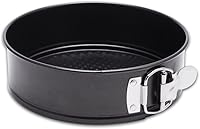
The HIWARE 9 Inch Non-stick Cheesecake Pan Springform has a removable bottom, a stainless springform buckle, and a non-stick coating. Its 9-inch round shape and 8-cup capacity suit a reader who wants one pan for cakes and similar baked dishes.
The pan is steel, oven-safe up to 450°F, and recommended for hand washing. HIWARE also describes it for cheesecake, mousse, coffee cake, quiche, and pie, so it can cover more than one recipe type.
Choose this size if your recipe is written for a 9-inch round pan. Check the recipe's depth and batter volume before substituting, since diameter alone does not tell you how full the pan will be.
How do you prevent a springform pan from leaking?
Close the latch fully and use foil or a baking sheet when the batter is thin. A springform pan joins two pieces, so it is not automatically sealed like a solid cake pan.
For thick batter, a properly closed ring may be enough. For a loose batter, wrap foil around the outside bottom and lower side, or place the pan on a baking sheet according to the recipe.
Keep foil below the rim and away from the cake batter. It should support the outside of the pan, not touch the food.
A water bath needs extra care because foil is not a guarantee against leaks. If your recipe requires a water bath, follow its directions and choose equipment designed for that method.
If the removable base is damaged or no longer sits evenly, compare options in How to Choose a Replacement Springform Pan Bottom.
How should you bake a cake in a springform pan?
Bake the pan on the rack and at the temperature stated by the recipe, then check the center before removing it. The springform design changes release, not the cake's basic baking needs.
Avoid placing the pan directly on a stovetop unless the pan's instructions specifically allow that use. Use a level oven rack, and leave space around the pan for heat to circulate.
Start checking near the recipe's lower baking time. A skewer or cake tester should come out according to the recipe's doneness instructions.
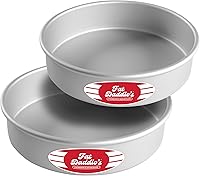
The Fat Daddio's Anodized Aluminum Round Cake Pans are a different option for readers who want solid pans instead of a removable ring. This 2-piece set has 8 x 2-inch round pans, 3.5-cup capacity per pan, and anodized aluminum construction.
The pans have solid bottoms, straight sides, and a temperature rating up to 550°F. They are also described for pressure cookers, air fryers, toaster ovens, and freezers, with hand washing recommended.
Choose these if you want two matching pans for layer cakes and don't need to lift the side away from a fragile cake. Choose a springform pan when turning a cake upside down could damage its top or filling.
Our guide to Springform Pan vs Cake Pan: Which Should You Use? explains the main trade-off between removable sides and solid construction.
How do you cool and release the cake?
Cool the cake before opening the latch, then lift the ring away slowly. A warm cake is softer and more likely to tear at the sides or lose its shape.
Set the pan on a cooling rack if the recipe allows. Let the cake firm for the time stated in the recipe, then inspect the edge.
If the cake has stuck, slide a thin knife around the inside wall with light pressure. Don't cut into the cake or force the blade between the base and the crust.
Open the latch gradually. Hold the ring steady as it loosens, then lift it straight up if the cake has released from the sides.
Leave the cake on the removable base when the base supports its shape. Transfer it only when the cake is firm enough to move safely.
Which springform size should you choose?
Choose the pan diameter that matches the recipe, and choose a set if you regularly bake different sizes. A larger pan makes a shallower cake, while a smaller pan creates a deeper layer that may need different baking time.
The HIWARE Springform Pan Set of 3 Non-stick includes 6-inch, 8-inch, and 10-inch round pans. Its three sizes suit bakers who make small cakes, standard cakes, or layered cakes with different diameters.
The set uses alloy steel, has stainless springform buckles, and is oven-safe up to 450°F. HIWARE recommends hand washing, and the pans are designed for cakes that cannot be turned upside down easily.
Choose this set if size flexibility matters more than storing one pan. A single 9-inch pan takes less space and is simpler if most of your recipes use the same diameter.
For frozen desserts and cakes that need a removable side, see Best Springform Pans for Ice Cream Cakes.
How should you clean a springform cake pan?
Wash the pan by hand with a soft sponge, then dry the ring and base completely. Hand washing helps protect the finish and keeps water from sitting around the latch.
Release crumbs before washing. Clean the joint between the base and ring, where baked batter can collect.
Avoid sharp tools that can scratch a non-stick coating. Don't close the pan while it is still damp, since moisture can remain around the buckle.
Inspect the latch and base after cleaning. If the ring no longer closes evenly, replace the pan or its compatible base before using it for loose batter.
What else can you bake in a springform pan?
Use a springform pan for cakes that benefit from side removal, including cheesecake, mousse cake, coffee cake, and some savory bakes. Match the pan material, size, and temperature rating to the recipe.
A springform pan can also help with quiche, pie, or layered desserts when the finished food needs to stay upright. It is less useful when the recipe depends on a fully sealed pan.
For other baking equipment, see How to Use a Perforated Baguette Pan. A baguette pan serves a different shape and dough purpose, so it is not a substitute for a springform cake pan.
If cake decorating is part of your plan, a mixer can help prepare batter and frosting. Compare the Best Stand Mixer For Cake Baking with the Best Stand Mixer For Cake Decorating before choosing one machine.
What is the right way to use a springform cake pan?
For how to use a springform cake pan, match the size to the recipe, close the latch, grease the pan, protect against leaks, and cool the cake before release. Pick the 9-inch HIWARE pan for one common size, the HIWARE set for flexibility, or the Fat Daddio's set when solid pans suit your baking style better.
A springform pan is most valuable when turning out a cake could crack the sides or damage the top. Measure your recipe's pan size and batter volume before baking, then wash the pan by hand after it cools.
Frequently asked questions
Can I use a springform pan for cake?
Yes, you can use a springform pan for ordinary cake batter. Grease the base and sides, check that the latch is closed, and use a parchment round when useful.
Springform pans are especially helpful for delicate cakes that could crack when turned out of a solid pan.
Do you grease a springform pan for cake?
Yes, grease the removable base and the inside wall before adding batter. A parchment round on the base can make release easier, while a light coating on the side helps the cake separate after cooling.
Follow the recipe if it gives a different preparation method.
How do you stop a springform pan from leaking?
Close the latch fully and check that the base sits evenly inside the ring. For thin batters, wrap the outside bottom with foil or place the pan on a baking sheet if the recipe allows.
A springform pan is not always fully watertight.
When should you remove a cake from a springform pan?
Let the cake cool enough to firm before opening the latch. Run a thin knife around the inside edge only if needed, then release the ring slowly.
Removing the side while the cake is hot can cause soft edges or delicate layers to collapse.